Sports injuries are an unfortunate reality for many athletes, whether you’re a professional or an enthusiastic amateur. Understanding the types and causes of these injuries is crucial for effective rehabilitation. Common injuries include sprains, strains, fractures, and dislocations, each affecting different body parts and requiring specific treatment approaches. Sprains and strains often result from overstretching or tearing ligaments and muscles, while fractures and dislocations typically stem from direct trauma or impact.
The causes of sports injuries are varied, ranging from improper training techniques to inadequate equipment. Overuse injuries are prevalent among athletes who repeat the same activity without sufficient rest. Poor conditioning and lack of warm-up are also significant contributors, as they increase the risk of injury. By recognizing these factors, you can take preventive measures to minimize the likelihood of getting hurt during your sporting endeavors. Additionally, maintaining a healthy body weight with guidance from an online weight loss doctor may help reduce excess stress on joints and muscles, further lowering injury risk.
Moreover, understanding your body’s limits is essential in preventing injuries. Pushing beyond what your body can handle may lead to acute injuries or exacerbate chronic conditions. It’s vital to balance training intensity with rest and recovery, ensuring your body remains resilient and less prone to harm.
Common Rehab Mistakes Athletes Make
Rehabilitation is a critical component of sports injury recovery, yet many athletes make mistakes that can delay healing. One common error is neglecting to follow a structured rehab plan. Without a clear strategy, you may inadvertently cause further damage or prolong recovery time. Adhering to a well-defined program crafted by healthcare professionals ensures that you address the injury effectively and avoid setbacks.
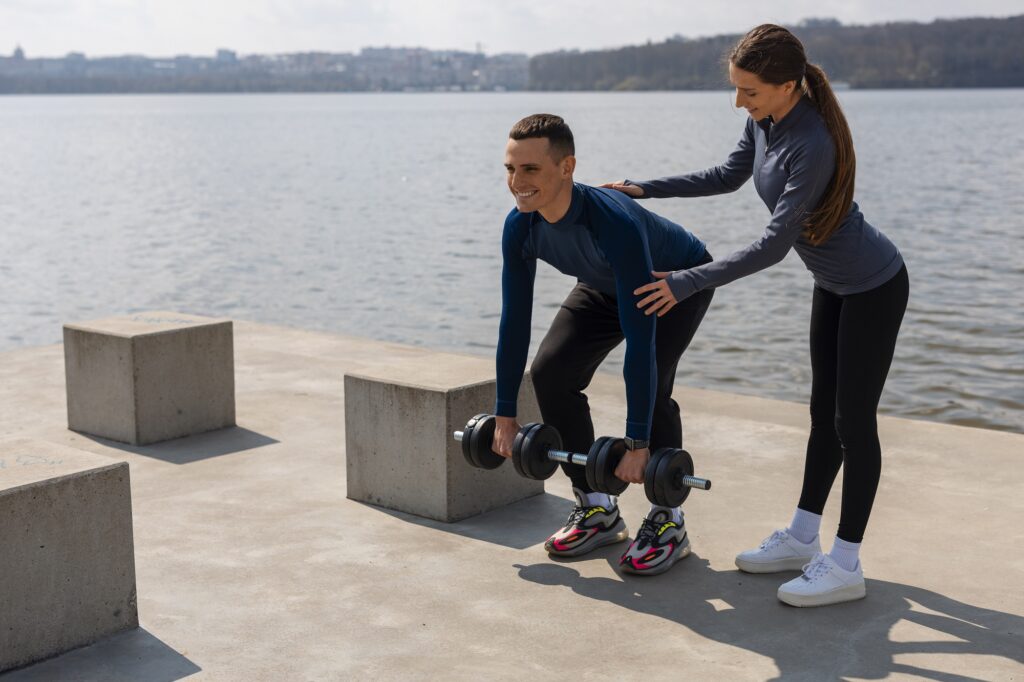
Another frequent mistake is returning to activity too soon. Eager to resume sports, athletes might downplay the severity of their injury, risking re-injury. It’s essential to listen to your body and give it ample time to heal. Rushing the process can result in chronic pain or long-term limitations, which could have been avoided with patience and proper care.
Additionally, failing to maintain communication with your healthcare provider can hinder your progress. Regular check-ins allow for adjustments to your rehab plan, addressing any unforeseen complications or improvements. This is especially important for individuals managing conditions such as insulin resistance, where overall health can influence recovery outcomes. By staying engaged with your medical team, you ensure that your recovery is on track and that you’re receiving the best possible care.
The Importance of a Personalized Rehab Plan
Every athlete is unique, and so are their injuries. A personalized rehab plan considers your specific needs, goals, and circumstances, ensuring a more effective recovery process. Tailored programs take into account your injury type, severity, and overall health, providing targeted exercises and therapies that promote healing and prevent complications.
A customized approach also addresses individual differences in physiology and response to treatment. What works for one person may not be suitable for another, making personalized plans crucial for success. This principle is equally important in metabolic syndrome treatment, where interventions must be tailored to an individual’s unique health profile and risk factors. By working closely with healthcare professionals, you can develop a program that aligns with your body’s capabilities and limitations, maximizing your recovery potential.
Furthermore, a personalized rehab plan can enhance motivation and engagement. When you understand the reasoning behind each exercise and its impact on your recovery, you’re more likely to adhere to the regimen. This commitment not only accelerates healing but also fosters long-term habits that contribute to overall athletic performance and injury prevention.
Ignoring Pain Signals: When to Push and When to Rest
Listening to your body is a fundamental aspect of sports injury recovery. Pain is a signal that something is amiss, and ignoring it can lead to adverse outcomes. Distinguishing between discomfort and harmful pain is crucial in determining when to push through and when to rest. Mild soreness might be expected during rehabilitation, but sharp or persistent pain requires immediate attention.
Pushing through pain without understanding its cause can exacerbate the injury and delay healing. It’s vital to communicate with your healthcare provider to identify the source of pain and adjust your rehab plan accordingly. They can help determine if modifications to your exercises are necessary, ensuring that you’re progressing safely and effectively.
Conversely, resting excessively without engaging in appropriate rehabilitation can also hinder recovery. Finding the right balance between activity and rest is key to healing. Engaging in therapeutic exercises under professional guidance promotes tissue repair and strengthens the affected area, reducing the risk of re-injury and facilitating a quicker return to sports.
The Role of Nutrition in Sports Injury Recovery
Nutrition plays a vital role in the recovery process, providing the essential building blocks for tissue repair and energy for rehabilitation exercises. A well-balanced diet rich in proteins, vitamins, and minerals supports healing and enhances overall health. Proteins, in particular, are crucial for repairing muscles and other tissues, making them an integral part of your recovery plan.

In addition to macronutrients, certain vitamins and minerals are essential for recovery. Vitamin C aids in collagen formation, which is vital for ligament and tendon repair. Calcium and vitamin D are crucial for bone health, while omega-3 fatty acids possess anti-inflammatory properties that can alleviate pain and swelling. Ensuring a varied and nutrient-dense diet can significantly impact your recovery trajectory.
Hydration is another critical factor often overlooked during recovery. Adequate fluid intake supports cellular functions and helps maintain joint lubrication, reducing stiffness and promoting flexibility. By prioritizing nutrition and hydration, you create an optimal environment for healing, allowing you to return to your sport stronger and more resilient.
Overtraining: Why Rest is Essential for Healing
While staying active is important, overtraining can be detrimental to your recovery. The temptation to push your limits during rehabilitation is understandable, but excessive exercise can impede healing and exacerbate injuries. Rest is an essential component of recovery, allowing tissues to repair and muscles to rebuild.
Signs of overtraining include persistent fatigue, decreased performance, and increased susceptibility to injury. Recognizing these symptoms is crucial in preventing further harm. Incorporating rest days into your rehab plan ensures that your body has ample time to recover, reducing the risk of setbacks and promoting long-term health.
Balancing rest with gradual progression in your rehab exercises is key to effective recovery. As your body adapts to the rehabilitation process, you can increase the intensity and duration of your activities under professional guidance. This balanced approach ensures a steady recovery, minimizing the risk of re-injury and supporting your return to peak performance.
The Impact of Mental Health on Recovery
Mental health plays a significant role in the recovery process, influencing motivation, adherence, and overall well-being. Injuries can be emotionally taxing, leading to feelings of frustration, anxiety, or depression. Addressing these psychological aspects is crucial for a comprehensive recovery approach.
Maintaining a positive mindset can enhance your rehabilitation experience. Techniques such as visualization, goal setting, and mindfulness can help manage stress and foster resilience. Engaging in supportive communities or seeking professional mental health support can also provide valuable encouragement and coping strategies.
Furthermore, understanding the connection between mental and physical health can motivate you to prioritize your wellness. Recognizing that a healthy mind contributes to a healthy body can inspire you to adopt holistic practices that support both mental and physical recovery, ensuring a more successful return to your sport.
Seeking Professional Guidance: When to Consult a Specialist
Navigating the complexities of sports injury recovery can be challenging, and seeking professional guidance is often necessary for optimal results. Healthcare specialists, such as physiotherapists, orthopedic surgeons, and sports psychologists, provide invaluable expertise and support throughout the rehabilitation process.
Consulting a specialist ensures that you’re receiving evidence-based care tailored to your specific needs. They can offer accurate diagnoses, develop personalized rehab plans, and monitor your progress, making necessary adjustments to enhance recovery. This professional oversight minimizes the risk of complications and promotes a safe return to sports.
Moreover, specialists can provide education on injury prevention and long-term health strategies, empowering you to take control of your wellbeing. By building a strong support network of healthcare professionals, you can confidently navigate the recovery journey, knowing that you’re in expert hands.
Best Practices for Effective Rehab and Recovery
Adopting best practices in rehab and recovery can significantly influence your healing process and future performance. Here are some key strategies to consider:
- Adhere to Your Rehab Plan: Consistency is crucial in rehabilitation. Follow your personalized plan diligently to ensure steady progress and prevent setbacks.
- Prioritize Rest and Recovery: Balance your exercise regimen with adequate rest to support tissue repair and prevent overtraining.
- Maintain Open Communication: Regularly update your healthcare provider on your progress and any concerns, allowing for timely interventions and modifications to your rehab plan.
- Focus on Nutrition: Fuel your body with a balanced diet rich in proteins, vitamins, and minerals to support healing and overall health.
- Address Mental Health: Engage in practices that support mental well-being, such as mindfulness and stress management techniques.
- Stay Informed: Educate yourself about your injury and recovery process, empowering you to make informed decisions and actively participate in your rehabilitation.
By integrating these practices into your recovery strategy, you enhance your chances of a successful return to sports while minimizing the risk of re-injury.
Conclusion: Avoiding Mistakes for a Faster Recovery
Recovering from a sports injury is a multifaceted journey that requires attention to detail and a proactive approach. By understanding common rehab mistakes and prioritizing personalized care, you can navigate the recovery process more effectively. Listening to your body, maintaining a balanced diet, and seeking professional guidance are essential components of successful rehabilitation.
Mental health is equally important, influencing your motivation and resilience throughout recovery. Embracing a holistic approach that addresses both physical and psychological needs ensures a comprehensive recovery experience. By avoiding common pitfalls and adhering to best practices, you set the stage for a faster, more efficient healing process, allowing you to return to your sport with confidence and strength.