
Cholesterol is a fatty substance found in your blood, essential for building healthy cells. However, having high levels of cholesterol can increase your risk of heart disease. This fatty substance, produced by your liver and also found in certain foods, is necessary for the formation of cell membranes, hormones, and vitamin D. Although it is vital for your body, excessive cholesterol can lead to problems.
When cholesterol levels are too high, fatty deposits can develop in your blood vessels. Over time, these deposits grow, making it difficult for enough blood to flow through your arteries. High cholesterol is also associated with an increased risk of fatty liver disease, as excess fat can accumulate in the liver alongside other metabolic health issues. This can lead to a higher risk of heart attack or stroke as these deposits may suddenly break and form a clot that causes heart disease or stroke. Therefore, understanding the role cholesterol plays in heart health is crucial in preventing cardiovascular problems.
Cholesterol is divided into two main types: low-density lipoprotein (LDL) and high-density lipoprotein (HDL). LDL is often referred to as “bad” cholesterol because it contributes to the formation of plaque, a thick, hard deposit that can clog arteries and make them less flexible. On the other hand, HDL is considered “good” cholesterol because it helps remove LDL cholesterol from the arteries. Maintaining a balance between these types is essential for a healthy heart.
The Importance of Regular Cholesterol Screening
Regular cholesterol screening is a preventive measure that helps identify potential health risks before they become severe. By knowing your cholesterol levels, you can take steps to lower your risk of heart disease. Screening can also help detect related metabolic concerns, such as insulin resistance, which is often associated with abnormal cholesterol levels and an increased risk of cardiovascular disease. Screening is crucial because high cholesterol typically doesn’t cause any symptoms until it leads to significant health issues, such as a heart attack or stroke.
Through routine screening, you can monitor your cholesterol levels and make necessary lifestyle changes. Early detection of high cholesterol allows you to take proactive measures, such as altering your diet, exercising regularly, or taking medication if needed. These actions can significantly reduce your risk of heart-related complications.
Moreover, regular cholesterol screening provides a benchmark for your health. It helps track the effectiveness of any lifestyle changes or medications you might be using to manage your cholesterol. This information is also valuable when evaluating the progress of a metabolic syndrome treatment plan, as cholesterol control is a key component of improving metabolic health. By keeping tabs on your cholesterol levels, you can work more effectively with your healthcare provider to maintain or improve your heart health.
Key Cholesterol Levels to Monitor
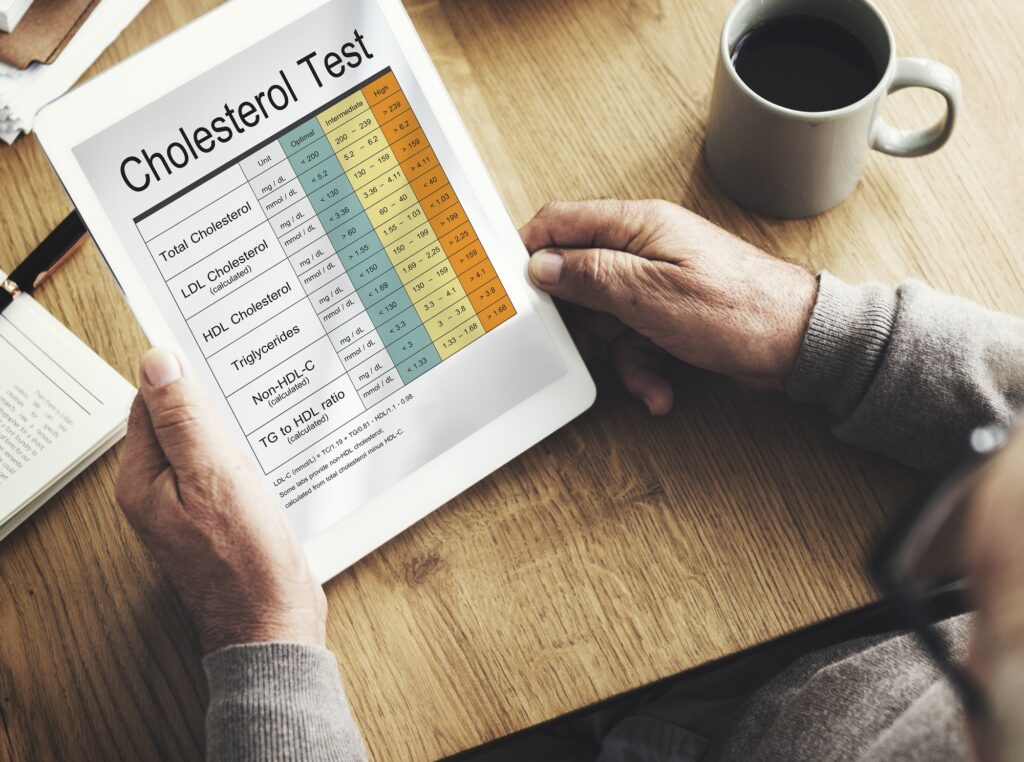
When it comes to cholesterol, understanding your numbers is crucial. The primary components you need to monitor are LDL, HDL, and triglycerides, along with total cholesterol. Each type of cholesterol plays a distinct role in your health journey.
- LDL Cholesterol (Bad Cholesterol): Aim for lower levels of LDL cholesterol to reduce the risk of plaque build-up in your arteries. Optimal LDL levels are typically below 100 mg/dL, but individual targets may vary based on risk factors.
- HDL Cholesterol (Good Cholesterol): HDL helps remove LDL cholesterol from your bloodstream. Higher levels of HDL are better, with a general target of 60 mg/dL or higher being ideal for heart health.
- Triglycerides: These are another type of fat in your blood. High levels can also increase your risk of heart disease. A normal triglyceride level is below 150 mg/dL.
- Total Cholesterol: This is a combination of your LDL, HDL, and triglyceride levels. Keeping this number below 200 mg/dL is generally considered healthy.
Monitoring these levels gives you a comprehensive picture of your heart health and helps you make informed decisions about your lifestyle and treatment options.
How Cholesterol Screening Works
Cholesterol screening is a straightforward process that usually involves a blood test called a lipid panel or lipid profile. This test measures your levels of LDL, HDL, triglycerides, and total cholesterol. You might be required to fast for 9 to 12 hours before the test to ensure accurate results, as food can temporarily affect cholesterol levels.
During the test, a healthcare professional will draw a small blood sample from your arm. This sample is then analyzed in a laboratory to determine your cholesterol levels. The results typically take a few days to process, after which your healthcare provider will discuss them with you.
Understanding how cholesterol screening works helps demystify the process, making it easier for you to participate in routine screenings. Knowing what to expect can reduce anxiety and ensure you’re prepared to take the necessary steps toward maintaining your heart health.
Who Should Get Screened and When
Cholesterol screening is recommended for all adults over the age of 20 at least once every five years. However, more frequent screenings may be necessary if you have risk factors for heart disease, such as a family history of high cholesterol or heart conditions, obesity, or a sedentary lifestyle.
For individuals over the age of 45, or those with risk factors like diabetes or high blood pressure, annual cholesterol checks may be advised. If you have already been diagnosed with high cholesterol or heart disease, your healthcare provider might recommend more frequent testing to monitor your condition effectively.
Children and adolescents may also need to be screened if they have a family history of high cholesterol or other risk factors. Early detection in younger individuals can help prevent heart disease later in life, emphasizing the importance of regular screenings for everyone, regardless of age.
Factors That Affect Cholesterol Levels
Several factors can influence your cholesterol levels, some of which are within your control, while others are not. Understanding these factors can help you make informed decisions about managing your cholesterol.

- Diet: Consuming foods high in saturated fats, trans fats, and cholesterol can raise your blood cholesterol levels. Opting for a diet rich in fruits, vegetables, whole grains, and lean proteins can help maintain healthy cholesterol levels.
- Physical Activity: Regular exercise can help raise HDL cholesterol while lowering LDL cholesterol and triglycerides. Aim for at least 150 minutes of moderate aerobic exercise each week.
- Weight: Being overweight or obese can increase your cholesterol levels. Losing even a small amount of weight can help lower LDL cholesterol and triglycerides.
- Genetics: Family history plays a significant role in your cholesterol levels. If high cholesterol runs in your family, you may be at a higher risk and need more frequent monitoring.
- Age and Sex: Cholesterol levels tend to rise with age. Before menopause, women usually have lower total cholesterol levels than men of the same age. However, after menopause, women’s LDL levels often increase.
By understanding these factors, you can take proactive steps to manage your cholesterol effectively, thereby reducing your risk of heart disease.
What to Expect During a Cholesterol Screening
A cholesterol screening is a simple and quick procedure. Here’s what you can generally expect:
- Preparation: Your healthcare provider may ask you to fast for 9 to 12 hours before the test. This means avoiding food and drinks, except for water, to ensure accurate results.
- Procedure: During the test, a healthcare professional will draw a blood sample, usually from a vein in your arm. The process takes only a few minutes and is relatively painless.
- Follow-Up: After the sample is taken, it is sent to a laboratory for analysis. You will typically receive the results within a few days, at which point your healthcare provider will discuss them with you and recommend any necessary steps or treatments.
Understanding what happens during a cholesterol screening can help alleviate any concerns and encourage you to participate in this crucial health assessment regularly.
Interpreting Your Cholesterol Screening Results
Once you receive your cholesterol screening results, it’s essential to understand what they mean. Your healthcare provider will explain the numbers and what they indicate about your heart health.
- LDL Cholesterol: High levels of LDL cholesterol can increase your risk of heart disease. If your LDL level is above the recommended range, your provider may suggest lifestyle changes or medications to lower it.
- HDL Cholesterol: A higher HDL level is generally better, as it helps remove bad cholesterol from your arteries. If your HDL is low, your provider might recommend lifestyle changes to increase it.
- Triglycerides: High triglyceride levels can also raise your risk of heart disease. If your levels are elevated, your provider may suggest dietary changes, increased physical activity, or medications.
Understanding your results allows you to work with your healthcare provider to create a plan tailored specifically to your needs, helping you take control of your heart health effectively.
Lifestyle Changes to Manage Cholesterol Levels

Managing cholesterol levels often involves adopting healthier lifestyle habits. Here are some practical changes you can make:
- Dietary Adjustments: Reduce saturated fats and eliminate trans fats from your diet. Incorporate more fruits, vegetables, whole grains, and healthy fats such as those found in nuts, seeds, and fish.
- Exercise Regularly: Aim for at least 30 minutes of moderate exercise, such as walking, swimming, or cycling, on most days of the week. This can help raise HDL cholesterol and lower LDL cholesterol and triglycerides.
- Weight Management: Achieving and maintaining a healthy weight can significantly impact your cholesterol levels. Even small amounts of weight loss can be beneficial.
- Avoid Smoking: Quitting smoking can improve your HDL cholesterol level and enhance your overall cardiovascular health.
- Limit Alcohol Intake: Drinking alcohol in moderation can have heart benefits, but excessive consumption can increase your cholesterol levels and lead to other health issues.
Implementing these lifestyle changes can help you manage your cholesterol levels effectively, reducing your risk of heart disease and improving your overall well-being.
Conclusion: Taking Charge of Your Heart Health
Regular cholesterol screening is a vital component of maintaining heart health. By understanding and monitoring your cholesterol levels, you can take proactive steps to prevent heart disease and other related complications. Early detection through screening allows for timely interventions, which can significantly improve your health outcomes.
Taking charge of your heart health involves more than just regular screenings. It requires a commitment to a healthy lifestyle, including a balanced diet, regular exercise, and avoiding harmful habits. These proactive measures, combined with routine screenings, provide a comprehensive approach to maintaining cardiovascular health.