
Liver fat, often referred to as hepatic steatosis, plays a critical role in your overall well-being. The liver, a vital organ, is responsible for numerous functions such as detoxification, protein synthesis, and hormone production. When excess fat accumulates in the liver, it can impair these functions, leading to various health issues. A healthy liver is essential for maintaining your body’s equilibrium, supporting not only metabolic processes but also the immune system.
Accumulation of fat in the liver is commonly linked to conditions like non-alcoholic fatty liver disease (NAFLD). This condition is increasingly prevalent due to sedentary lifestyles and unhealthy dietary habits. NAFLD can progress to more severe liver conditions like non-alcoholic steatohepatitis (NASH), cirrhosis, or even liver cancer. Understanding the role of liver fat in your health is paramount for taking preventive measures and ensuring optimal liver function, while seeking appropriate fatty liver treatment can help manage the condition and support overall liver health.
Addressing liver fat is not just about liver health; it has far-reaching implications for your entire body. Your liver’s ability to process and eliminate toxins is crucial for preventing inflammation, which can have systemic effects. By taking steps to reduce liver fat, you are contributing to a healthier, more balanced bodily function, which can enhance your overall quality of life.
How Liver Fat Affects Metabolism and Weight Loss
Excess liver fat directly affects your metabolism, a key player in your weight loss journey. The liver is instrumental in regulating the breakdown of fats and carbohydrates, and any dysfunction can lead to metabolic imbalances. When the liver is burdened with excess fat, it may struggle to efficiently process glucose and lipids, resulting in insulin resistance and increased fat storage, particularly in the abdominal region.

Insulin resistance is a common consequence of excessive liver fat and can significantly hinder your weight loss efforts. When trying to understand what is insulin resistance, it is important to know that the body’s cells become resistant to insulin, causing glucose to remain in the bloodstream and prompting the liver to convert excess glucose into fat. This cycle can exacerbate weight gain, particularly around the midsection, making it difficult to shed belly fat.
Addressing liver fat is crucial for restoring efficient metabolic function. By improving liver health through lifestyle changes, such as a balanced diet and regular exercise, you can enhance your body’s ability to metabolize nutrients effectively. This not only aids in losing belly fat but also improves energy levels and overall vitality.
Understanding Belly Fat: Types and Causes
Belly fat is often categorized into two types: subcutaneous fat and visceral fat. Subcutaneous fat lies just beneath the skin and is generally less harmful, whereas visceral fat is stored deep within the abdominal cavity, surrounding vital organs like the liver, pancreas, and intestines. Visceral fat is particularly concerning as it is associated with a higher risk of metabolic diseases and cardiovascular issues.
Various factors contribute to the accumulation of belly fat, including poor diet, lack of physical activity, stress, and genetics. Diets high in processed foods, sugars, and unhealthy fats can lead to increased fat deposits. Additionally, a sedentary lifestyle hinders the body’s ability to burn calories, contributing to fat accumulation. Stress and hormonal imbalances can also influence fat distribution, particularly around the abdomen.
Understanding the causes of belly fat is essential for devising effective strategies to combat it. By identifying and addressing these factors, you can tailor your lifestyle changes to promote fat loss, and consulting an online weight loss doctor can provide personalized guidance along the way. Emphasizing a nutritious diet, regular exercise, and stress management can help reduce both subcutaneous and visceral fat, leading to a healthier body composition.
The Connection Between Liver Fat and Belly Fat
The relationship between liver fat and belly fat is a critical one, as they often co-exist and exacerbate each other’s presence. When there is an accumulation of fat in the liver, it can disrupt the body’s lipid metabolism, leading to an increase in visceral fat storage. This is because the liver’s impaired ability to process fats results in higher levels of circulating fats, which are then stored in the abdominal region.
Moreover, the presence of visceral fat can further impact liver health. Visceral fat is known to produce inflammatory markers and hormones that can exacerbate liver inflammation and contribute to the progression of liver diseases like NAFLD. This creates a vicious cycle where liver fat contributes to belly fat accumulation, and vice versa, making it challenging to address one without considering the other.
To break this cycle, it’s crucial to adopt a comprehensive approach that targets both liver and belly fat simultaneously. This includes implementing dietary changes that reduce overall fat intake, increasing physical activity to enhance fat burning, and managing stress levels to prevent hormonal imbalances that can worsen fat accumulation. By addressing both liver and belly fat, you can achieve a more effective and sustainable weight loss journey.
Signs You May Have Excess Liver Fat
Recognizing the signs of excess liver fat is essential for taking timely action to address it. While many individuals with liver fat may not experience overt symptoms, there are several indicators that can suggest its presence. Common signs include unexplained fatigue, abdominal discomfort or pain, and elevated liver enzymes on blood tests, which can signal liver inflammation or damage.
In some cases, individuals may experience symptoms related to metabolic disturbances, such as increased difficulty in losing weight, particularly around the abdomen. Insulin resistance, a common consequence of liver fat, can lead to increased hunger and cravings for sugary foods, further complicating weight management efforts. Additionally, skin manifestations like jaundice or dark patches, known as acanthosis nigricans, can also be indicative of liver issues.
If you suspect you have excess liver fat, it’s important to consult a healthcare professional for a proper diagnosis. Early detection and intervention can prevent the progression of liver disease and support your weight loss goals. Regular monitoring of liver health through blood tests and imaging studies can provide valuable insights into your liver function and guide your treatment plan.
Effective Strategies for Reducing Liver Fat
Reducing liver fat requires a multi-faceted approach that encompasses dietary changes, physical activity, and lifestyle modifications. One of the most effective strategies is adopting a balanced diet that is low in saturated fats and refined sugars while rich in whole foods like fruits, vegetables, lean proteins, and whole grains. This can help reduce overall calorie intake and promote weight loss, ultimately decreasing liver fat.
Incorporating regular physical activity is another crucial component in reducing liver fat. Engaging in both aerobic exercises, such as walking, running, or cycling, and strength training can help boost metabolism and enhance fat burning. Aim for at least 150 minutes of moderate-intensity exercise per week to see significant improvements in liver health.
Lifestyle modifications, such as managing stress and ensuring adequate sleep, are also important in reducing liver fat. Chronic stress and sleep deprivation can lead to hormonal imbalances that promote fat accumulation. Practicing stress-reducing techniques like meditation, yoga, or deep breathing exercises can support your efforts to reduce liver fat and improve overall health.
Nutrition Tips for Combating Liver Fat and Belly Fat
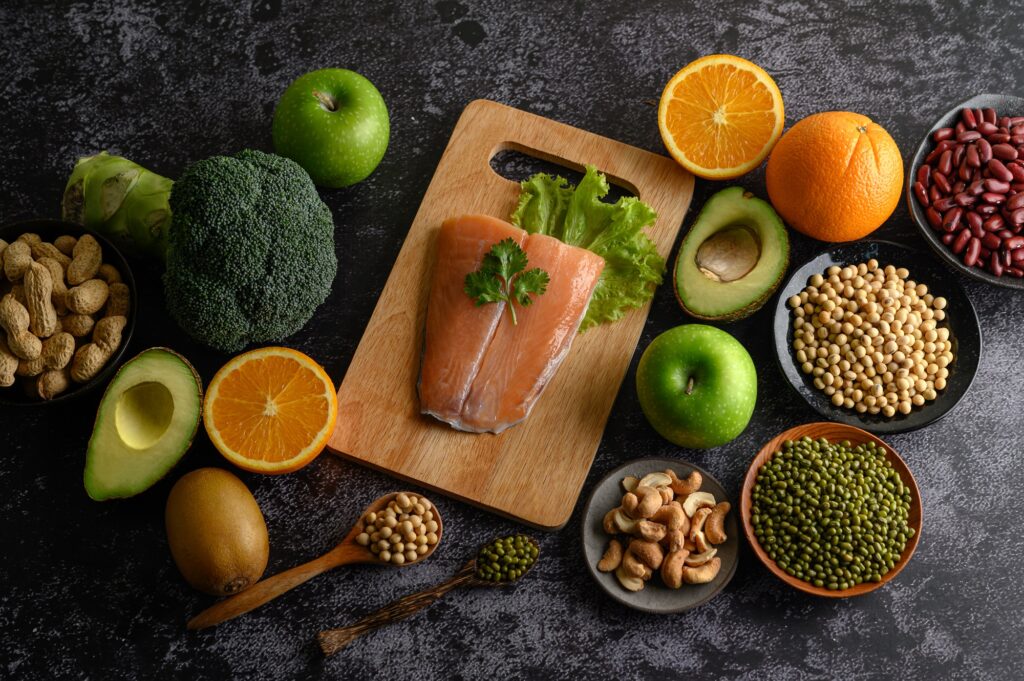
Adopting the right nutritional habits can significantly impact your ability to reduce both liver and belly fat. Focus on consuming a diet rich in fiber, as it helps improve digestion and promotes satiety, reducing overall calorie intake. Foods like leafy greens, whole grains, beans, and fruits are excellent sources of dietary fiber that can support your weight loss efforts.
Limiting the intake of simple carbohydrates and sugars is crucial for preventing fat accumulation. Opt for complex carbohydrates like quinoa, brown rice, and whole wheat products, which provide sustained energy and help regulate blood sugar levels. Additionally, prioritize healthy fats from sources like avocados, nuts, seeds, and olive oil, as they can improve cholesterol levels and support liver function.
Staying hydrated is another essential aspect of your nutritional strategy. Drinking plenty of water helps flush out toxins and supports liver function. Consider incorporating herbal teas or infused water with lemon or cucumber for added flavor and health benefits. By making these nutritional adjustments, you can effectively combat both liver and belly fat, paving the way for a healthier lifestyle.
The Importance of Regular Exercise in Fat Loss
Regular exercise plays a pivotal role in your fat loss journey by enhancing metabolic efficiency and promoting overall health. Engaging in both aerobic and anaerobic exercises can help you burn calories, reduce visceral fat, and improve cardiovascular health. Activities like brisk walking, cycling, swimming, and strength training are excellent choices for incorporating into your fitness routine.
Exercise not only aids in burning calories but also boosts your body’s ability to utilize insulin effectively. This can lead to improved blood sugar regulation and reduced fat storage, particularly in the abdominal area. Additionally, regular physical activity has been shown to decrease liver fat content, improving liver function and overall metabolic health.
To maximize the benefits of exercise, aim for a balanced routine that includes both cardiovascular and strength-training components. This combination can help build lean muscle mass, which elevates your resting metabolic rate, allowing you to burn more calories even at rest. Consistency is key, so strive to incorporate physical activity into your daily routine for the best results.

Monitoring Your Progress: Tools and Techniques
Tracking your progress is essential for staying motivated and making necessary adjustments to your fat loss journey. There are several tools and techniques you can use to monitor your progress effectively. Keeping a food diary or using a nutrition tracking app can help you stay accountable for your dietary choices and identify areas for improvement.
In addition to tracking your diet, monitoring your physical activity with a fitness tracker or smartphone app can provide insights into your exercise habits and help you set achievable goals. Regularly measuring your waist circumference and body weight can also give you tangible evidence of your progress in reducing belly fat.
Consider scheduling regular check-ins with a healthcare professional to assess your liver health and overall progress. Blood tests and imaging studies can offer valuable information about your liver function and guide your treatment plan. By consistently monitoring your progress, you can make informed decisions and stay motivated on your journey to a healthier you.
Conclusion: The Path to a Healthier You
Understanding the intricate connection between liver fat and belly fat is crucial for achieving successful and sustainable weight loss. By recognizing the impact of liver fat on your metabolism and taking proactive steps to reduce it, you can enhance your body’s ability to burn fat and improve overall health. Emphasizing a balanced diet, regular physical activity, and lifestyle modifications can pave the way for a healthier, more vibrant you.
As you embark on this journey, remember that consistency and commitment are key. Small, gradual changes can lead to significant improvements in your liver and overall health over time. By adopting a holistic approach that addresses both liver and belly fat, you can achieve a more balanced body composition and reduce the risk of metabolic and cardiovascular diseases.
It’s never too late to take control of your health. Start making positive changes today and experience the benefits of a healthier liver and a trimmer waistline. Embrace this opportunity to transform your lifestyle and enjoy the long-term rewards of improved health and well-being.