
Polycystic Ovary Syndrome (PCOS) is a common hormonal disorder affecting women of reproductive age. It manifests in various ways, including irregular menstrual cycles, excess androgen levels, and polycystic ovaries. Women with PCOS often experience symptoms such as weight gain, acne, and hair growth. Understanding the dietary needs associated with PCOS is crucial, as diet plays a significant role in managing symptoms and improving overall health.
For women with PCOS, maintaining a balanced diet that supports hormonal balance is vital. This involves focusing on nutrient-dense foods that help stabilize blood sugar levels and reduce inflammation. A diet rich in protein, healthy fats, and low-glycemic carbohydrates can aid in managing insulin resistance, a common issue for those with PCOS. Tailoring your diet to meet these needs can significantly enhance your well-being and quality of life.
Incorporating a variety of nutritional elements in your daily meals can help alleviate symptoms and prevent future complications. Foods high in fiber, antioxidants, and essential vitamins are particularly beneficial. By understanding and addressing the dietary needs of PCOS, you can take proactive steps toward better health and symptom management.
Importance of High-Protein Breakfasts for Women with PCOS
Starting your day with a high-protein breakfast is a game-changer for women with PCOS. Protein-rich foods have a profound impact on satiety, reducing hunger and cravings throughout the day. This helps manage weight, which is crucial for managing PCOS symptoms. Many women also seek guidance from an online weight loss doctor to create sustainable nutrition strategies tailored to their needs. Additionally, protein aids in maintaining lean muscle mass, which can boost metabolism and improve insulin sensitivity.

Protein helps stabilize blood sugar levels, which is essential for women with PCOS who often struggle with insulin resistance. By choosing a high-protein breakfast, you’re setting a solid foundation for balanced energy levels and reduced spikes in blood sugar. This approach is often recommended by a diabetes specialist in Lahore as part of a broader strategy for improving metabolic health. It can also lead to improved mood, concentration, and overall productivity throughout the day.
Moreover, a high-protein breakfast can lead to better hormonal regulation. Protein consumption promotes the release of hormones that signal fullness, helping you avoid overeating later in the day. This not only aids in weight management but also supports hormonal balance, reducing the severity of PCOS symptoms over time.
Nutritional Benefits of Protein-Rich Foods
Protein-rich foods offer a host of nutritional benefits essential for women with PCOS. They are packed with essential amino acids, the building blocks necessary for muscle repair and growth. Consuming adequate protein supports lean muscle mass, which is crucial for maintaining a healthy metabolism and body composition.
In addition to muscle support, protein-rich foods are excellent sources of vitamins and minerals. For example, eggs provide vitamin D and choline, both vital for hormonal balance and reproductive health. Greek yogurt is rich in calcium and probiotics, promoting bone health and a healthy gut microbiome. These nutrients play a critical role in managing PCOS symptoms and improving overall health.
Furthermore, protein-rich foods help with weight management, an important aspect of managing PCOS. They increase the thermic effect of food, meaning your body burns more calories digesting protein than it does with fats or carbohydrates. This can aid in creating a calorie deficit, supporting sustainable weight loss and symptom improvement.
High-Protein Breakfast Ideas for Women with PCOS
- Egg and Avocado Toast: Top whole-grain toast with poached eggs and sliced avocado. Sprinkle with chia seeds for added fiber and omega-3s.
- Greek Yogurt Parfait: Layer Greek yogurt with mixed berries and a handful of nuts. Add a drizzle of honey for natural sweetness.
- Protein Smoothie Bowl: Blend protein powder with spinach, almond milk, and a banana. Top with sliced almonds and flaxseeds.
- Chickpea Omelet: Use chickpea flour to make a savory omelet stuffed with spinach, tomatoes, and feta cheese.
- Cottage Cheese Bowl: Mix cottage cheese with pineapple chunks and sunflower seeds for a sweet and savory breakfast option.
These ideas offer a variety of flavors and textures to keep your breakfast exciting and satisfying. They are also quick to prepare, making them perfect for busy mornings.
Quick and Easy High-Protein Breakfast Recipes
Recipe 1: Egg Muffins
Ingredients:
- 6 eggs
- 1 cup spinach, chopped
- 1/2 cup cherry tomatoes, halved
- 1/4 cup feta cheese, crumbled
- Salt and pepper to taste
Instructions:
- Preheat your oven to 375°F (190°C).
- Whisk eggs in a bowl and season with salt and pepper.
- Stir in spinach, tomatoes, and feta cheese.
- Pour the mixture into a greased muffin tin, filling each cup about 3/4 full.
- Bake for 20-25 minutes or until set.
Recipe 2: Quinoa Breakfast Bowl
Ingredients:
- 1 cup cooked quinoa
- 1/2 cup almond milk
- 1 tablespoon almond butter
- 1/2 banana, sliced
- 1 tablespoon chia seeds
Instructions:
- Warm quinoa with almond milk in a saucepan over medium heat.
- Stir in almond butter until combined.
- Serve topped with banana slices and chia seeds.
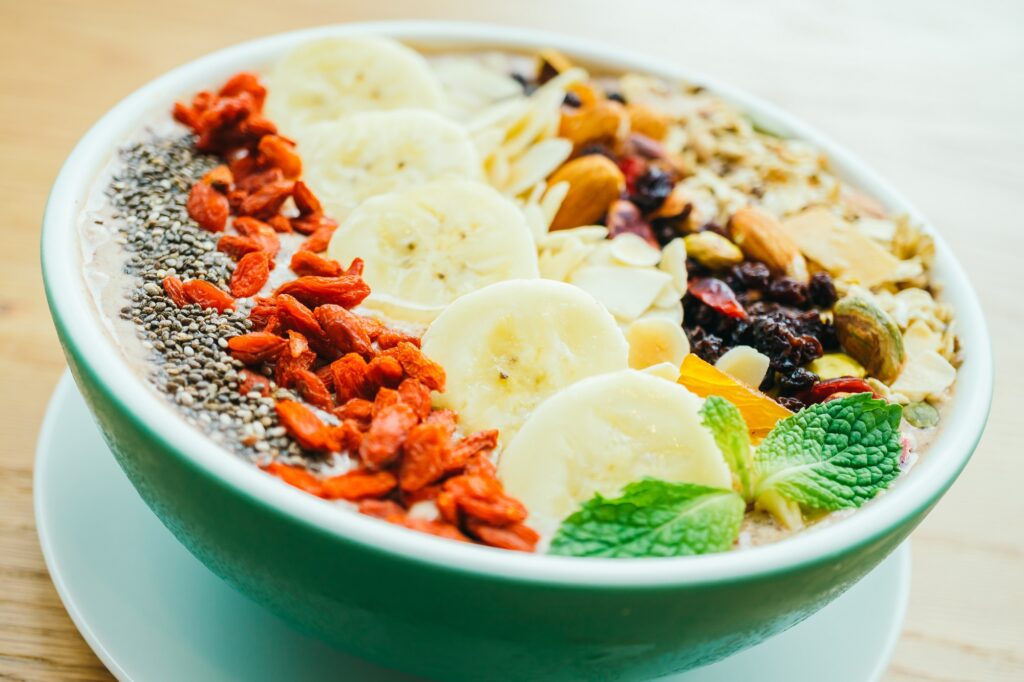
These recipes provide a balance of protein, healthy fats, and carbohydrates, ensuring you start your day with sustained energy and fullness.
Meal Prep Tips for Busy Mornings
Planning and preparing your breakfast in advance can make a significant difference on hectic mornings. Meal prepping not only saves time but also ensures you have nutritious options readily available. Start by designating a day to batch-cook your breakfast items, such as egg muffins or quinoa bowls, so you can quickly grab and go.
Consider investing in quality storage containers to keep your prepped meals fresh throughout the week. Label each container with the date to ensure food safety and freshness. Pre-portioning your breakfast into individual servings can also help with portion control and prevent overeating.
Incorporate a variety of recipes into your meal prep routine to prevent boredom and ensure a range of nutrients. By dedicating time to meal prep, you’re setting yourself up for success, making it easier to maintain a high-protein diet that supports your PCOS management goals.
Incorporating Other Essential Nutrients into Your Breakfast
While protein is a key component of your breakfast, it’s essential to include other nutrients that support overall health and PCOS management. Fiber is one such nutrient, vital for digestive health and blood sugar control. Incorporate fiber-rich foods like oats, fruits, and vegetables into your breakfast for added benefits.
Healthy fats, such as those found in avocados, nuts, and seeds, are crucial for hormone production and regulation. They also provide sustained energy and enhance the absorption of fat-soluble vitamins. Including a source of healthy fats in your breakfast can help balance your meal and keep you satiated.
Don’t forget about the importance of vitamins and minerals. Foods like leafy greens, berries, and whole grains are excellent sources of essential micronutrients. By ensuring your breakfast is well-rounded, you’re not only supporting your PCOS management but also promoting overall health and wellness.
Common Misconceptions About Protein and PCOS
There are several misconceptions about protein and its role in managing PCOS. One common myth is that increasing protein intake leads to excessive muscle gain, which is unfounded. Protein supports lean muscle mass maintenance, not excessive growth, which is beneficial for metabolism and weight management.
Another misconception is that a high-protein diet is difficult to maintain or lacks variety. In reality, there’s a wide array of protein-rich foods available, including plant-based options like legumes, nuts, and seeds. With a little creativity, you can enjoy diverse and delicious meals that meet your nutritional needs.
Some believe that all protein sources are equal, but it’s important to choose high-quality, nutrient-dense options. Lean meats, dairy products, and plant-based proteins offer different benefits and should be included in your diet. Understanding the nuances of protein sources can enhance your dietary choices and PCOS management strategy.
Expert Advice on Managing PCOS Through Diet
Experts emphasize the importance of a balanced diet in managing PCOS symptoms. They recommend focusing on whole, unprocessed foods and avoiding refined sugars and carbohydrates that can exacerbate insulin resistance. Incorporating plenty of vegetables, lean proteins, and healthy fats is advised for optimal health.

Dietitians often suggest monitoring portion sizes and eating regular, balanced meals to maintain stable blood sugar levels. This approach can help reduce cravings and prevent overeating, which are crucial for weight management and symptom control. Personalizing your diet with the guidance of a healthcare professional can lead to better outcomes.
Experts also highlight the role of lifestyle changes, such as regular physical activity and stress management, in conjunction with dietary modifications. By addressing all aspects of your lifestyle, you can better manage PCOS and improve your quality of life. Seeking professional advice ensures you’re equipped with the knowledge and tools to succeed.
Conclusion: Embracing a High-Protein Breakfast for Better Health
In conclusion, embracing a high-protein breakfast is a powerful step in managing PCOS symptoms and improving your overall health. By understanding the dietary needs associated with PCOS and incorporating protein-rich foods into your breakfast routine, you can support hormonal balance, stabilize blood sugar, and promote weight management.