
Metabolic recovery is an essential process that allows your body to heal, rejuvenate, and function optimally. It involves restoring the balance disrupted by various factors such as stress, poor diet, and lack of exercise. When your metabolism is functioning well, it efficiently converts food into energy, repairs cells, and manages waste. This process is crucial for maintaining overall health and vitality.
However, achieving metabolic recovery can be challenging. Modern lifestyles, characterized by processed foods, sedentary habits, and high stress levels, often impede metabolic processes. This can lead to fatigue, weight gain, chronic illnesses, and other health issues, often requiring targeted metabolic syndrome treatment. Understanding how to unlock metabolic recovery is vital for improving your quality of life and preventing long-term health problems.
The key to metabolic recovery lies in addressing inflammation, which plays a significant role in metabolic disorders. By adopting specific dietary strategies focused on reducing inflammation, you can enhance your body’s ability to recover and thrive.
The Role of Inflammation in Health

Inflammation is the body’s natural response to injury or infection. It is a protective mechanism designed to eliminate harmful stimuli and facilitate healing. However, when inflammation becomes chronic, it can have detrimental effects on your health. Chronic inflammation is linked to various diseases, including diabetes, cardiovascular conditions, and obesity.
In the context of metabolic recovery, inflammation disrupts normal metabolic functions. It interferes with insulin signaling, promotes fat storage, and impairs the body’s ability to metabolize glucose. This can lead to insulin resistance, a key factor in the development of metabolic syndrome. Seeking guidance from a metabolic syndrome diet clinic can be beneficial, as reducing inflammation is crucial for restoring metabolic health.
By understanding the role of inflammation in your body, you can take proactive steps to manage it. An anti-inflammatory diet is a powerful tool that helps reduce chronic inflammation, supporting metabolic recovery and improving overall health. The following sections will explore the principles of such a diet and how you can incorporate them into your daily life.
Key Principles of an Anti-Inflammatory Diet
An anti-inflammatory diet emphasizes whole, nutrient-dense foods that naturally reduce inflammation. The core principles include consuming a variety of fruits, vegetables, lean proteins, and healthy fats. These foods provide essential nutrients and antioxidants that combat inflammation and support metabolic functions.
- Focus on Whole Foods: Prioritize fresh, unprocessed foods. Include colorful fruits and vegetables, whole grains, nuts, seeds, and legumes. These foods are rich in fiber, vitamins, and minerals, which are crucial for reducing inflammation and supporting metabolism.
- Incorporate Healthy Fats: Omega-3 fatty acids, found in fish like salmon and trout, as well as in flaxseeds and walnuts, are known for their anti-inflammatory properties. Replace saturated fats with these healthier options to enhance your diet’s anti-inflammatory effects.
- Limit Sugars and Processed Foods: Refined sugars and processed foods can trigger inflammation and contribute to conditions like insulin resistance. Opt for natural sweeteners like honey or maple syrup and minimize processed snacks and beverages. This reduces your intake of inflammatory compounds and supports metabolic recovery.
By adhering to these principles, you create a dietary foundation that not only reduces inflammation but also promotes overall health and well-being. The next sections will delve deeper into specific foods to include and avoid in your anti-inflammatory diet.
Foods to Include in Your Anti-Inflammatory Diet
Incorporating a variety of anti-inflammatory foods into your diet is essential for metabolic recovery. These foods are rich in nutrients that help combat inflammation and support your body’s natural healing processes. Here’s a list of foods to prioritize:
- Fruits and Vegetables: Aim for a diverse range of colorful produce, such as berries, leafy greens, tomatoes, and bell peppers. These foods are packed with antioxidants and phytochemicals that reduce inflammation.
- Whole Grains: Choose whole grains like brown rice, quinoa, and oats. They are high in fiber, which promotes digestive health and helps regulate blood sugar levels.
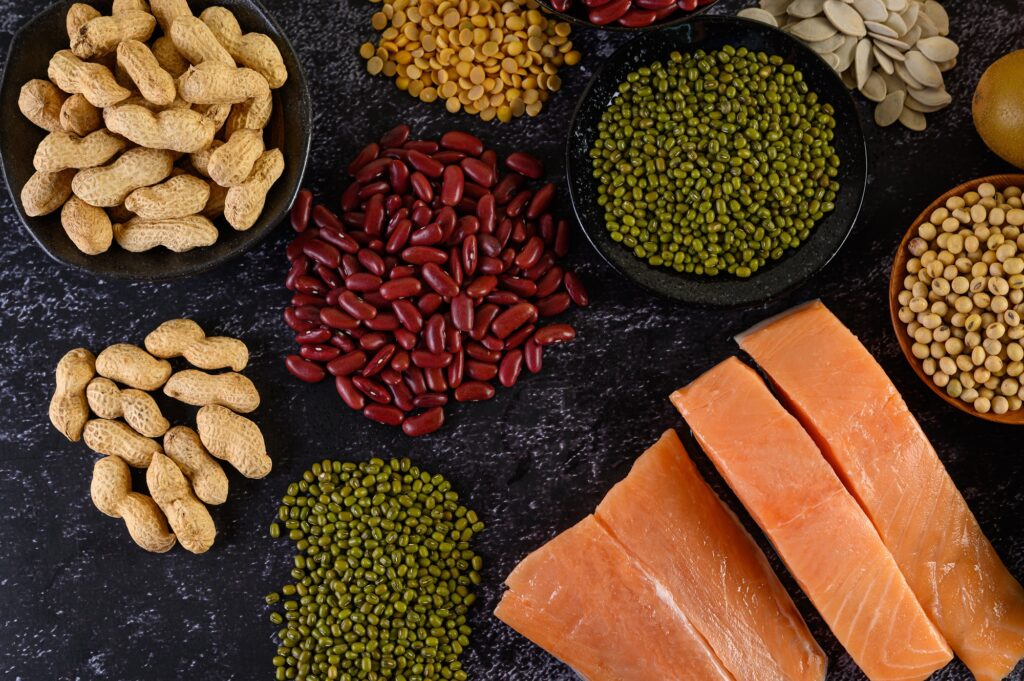
- Lean Proteins: Incorporate sources of lean protein, such as chicken, turkey, tofu, and legumes. These foods provide essential amino acids without the inflammatory effects of red meat.
- Healthy Fats: Include avocados, nuts, seeds, and olive oil in your meals. These fats support heart health and have anti-inflammatory properties.
- Herbs and Spices: Turmeric, ginger, garlic, and cinnamon are potent anti-inflammatory agents. Use them to enhance the flavor of your dishes while benefiting from their health properties.
By incorporating these foods into your meals, you’ll be well on your way to reducing inflammation and promoting metabolic recovery. The next section will highlight foods you should avoid for optimal results.
Foods to Avoid for Optimal Metabolic Recovery
While certain foods can help reduce inflammation, others can exacerbate it, hindering metabolic recovery. Being mindful of what you consume is crucial for maintaining a healthy diet. Here are some foods to avoid:
- Processed and Refined Foods: These include white bread, pastries, and sugary cereals. They often contain additives, preservatives, and high levels of sugar, all of which contribute to inflammation.
- Trans Fats: Found in fried foods, margarine, and some baked goods, trans fats are known to increase inflammation and risk of heart disease. Opt for healthier fat alternatives.
- Excessive Alcohol: Although moderate consumption may have some health benefits, excessive alcohol can lead to inflammation and liver damage. Limit your intake to reduce these risks.
- Red and Processed Meats: Sausages, bacon, and other processed meats are high in saturated fats and inflammatory compounds. Choose lean protein sources instead.
- Artificial Sweeteners and Additives: These are often present in diet sodas and low-calorie snacks. They can disrupt gut health and contribute to inflammation.
Avoiding these foods can significantly enhance your body’s ability to recover and maintain a healthy metabolism. The next section will explore the science behind why certain foods are anti-inflammatory and how they support health.
The Science Behind Anti-Inflammatory Foods
Understanding the science behind anti-inflammatory foods helps you make informed dietary choices. Certain foods possess compounds that naturally reduce inflammation and support metabolic functions. Here’s a closer look at why these foods are beneficial:
- Antioxidants: Foods rich in antioxidants, such as berries and leafy greens, neutralize free radicals in the body. Free radicals cause oxidative stress, leading to inflammation and cellular damage. Antioxidants help mitigate these effects, promoting overall health.
- Omega-3 Fatty Acids: Found in fatty fish, flaxseeds, and walnuts, omega-3s are essential fats that reduce inflammation. They work by decreasing the production of inflammatory molecules and improving cell membrane health.
- Fiber: Whole grains, fruits, and vegetables are high in fiber, which promotes a healthy gut microbiome. A balanced gut microbiome reduces inflammation and supports metabolic processes by enhancing nutrient absorption and immune function.
- Polyphenols: Present in foods like tea, coffee, and dark chocolate, polyphenols are plant compounds with strong anti-inflammatory effects. They inhibit the enzymes and pathways that lead to inflammation.
- Curcumin and Gingerol: Found in turmeric and ginger, these compounds have potent anti-inflammatory properties. They modulate inflammatory pathways and can alleviate symptoms of inflammatory diseases.
By incorporating these scientifically-backed foods into your diet, you can effectively reduce inflammation and enhance metabolic recovery. The following section will guide you in planning meals that align with these principles.
Meal Planning for an Anti-Inflammatory Diet
Effective meal planning is key to adopting an anti-inflammatory diet. By organizing your meals in advance, you can ensure you’re consistently consuming foods that promote health and reduce inflammation. Here’s how to get started:
- Create a Weekly Menu: Plan your meals for the week, incorporating a variety of anti-inflammatory foods. This ensures you have a balanced intake of nutrients and prevents last-minute unhealthy choices.
- Prepare in Advance: Batch cook meals or prep ingredients ahead of time. This saves time during busy weekdays and reduces the temptation to opt for processed foods.
- Balanced Meals: Each meal should include a source of protein, healthy fats, and plenty of fruits and vegetables. For example, a lunch could consist of grilled salmon, quinoa, and a side of sautéed spinach.
- Snack Smart: Choose anti-inflammatory snacks such as a handful of nuts, fresh fruit, or vegetable sticks with hummus. These provide energy and nutrients without contributing to inflammation.
- Stay Hydrated: Drink plenty of water throughout the day. Herbal teas like green tea or chamomile can also provide additional anti-inflammatory benefits.
By following these meal planning tips, you can effortlessly integrate an anti-inflammatory diet into your lifestyle. The next section will offer advice on maintaining these dietary changes for the long term.

Tips for Maintaining Long-Term Dietary Changes
Sustaining an anti-inflammatory diet requires commitment and strategic planning. Here are some tips to help you maintain these healthy changes over the long term:
- Set Realistic Goals: Start with achievable goals, such as incorporating one new anti-inflammatory food each week. Gradual changes are more sustainable and less overwhelming.
- Stay Informed: Continue educating yourself about the benefits of an anti-inflammatory diet. This knowledge will reinforce your motivation and commitment to maintaining these dietary practices.
- Find Support: Engage with a community or support group of individuals pursuing similar health goals. Sharing experiences and tips can be encouraging and help you stay on track.
- Monitor Progress: Keep a food journal to track your dietary habits and note any improvements in your health. This can provide insight into what works best for you and reinforce positive changes.
- Be Flexible: Allow for occasional indulgences and don’t be too hard on yourself if you slip up. What matters is your overall pattern of eating, not perfection.
By implementing these strategies, you can successfully maintain an anti-inflammatory diet and reap its long-term health benefits. The following section will discuss how lifestyle factors impact metabolic recovery.
The Impact of Lifestyle on Metabolic Recovery
In addition to diet, various lifestyle factors significantly impact metabolic recovery. By addressing these aspects, you can further enhance your health and well-being. Consider the following elements:
- Regular Exercise: Physical activity is crucial for maintaining a healthy metabolism. It helps regulate blood sugar, improve insulin sensitivity, and reduce inflammation. Aim for a mix of cardio, strength training, and flexibility exercises.
- Stress Management: Chronic stress contributes to inflammation and disrupts metabolic processes. Incorporate stress-reducing practices like meditation, deep breathing, or yoga into your routine. Prioritizing relaxation is essential for metabolic recovery.
- Quality Sleep: Adequate sleep is vital for repairing and regenerating cells. It supports hormonal balance and reduces stress levels, both of which are important for reducing inflammation. Aim for 7-9 hours of restful sleep each night.
- Avoid Smoking: Smoking increases inflammation and damages blood vessels, impeding metabolic recovery. Quitting smoking is one of the most beneficial steps you can take for your health.
- Stay Hydrated: Proper hydration is essential for metabolic functions. Water helps transport nutrients, remove waste, and regulate body temperature. Ensure you’re drinking enough fluids throughout the day.
By integrating these lifestyle changes with your anti-inflammatory diet, you can support metabolic recovery more effectively. The final section will emphasize the holistic approach of embracing an anti-inflammatory lifestyle.
Conclusion: Embracing an Anti-Inflammatory Lifestyle
Embracing an anti-inflammatory lifestyle is a powerful step toward unlocking metabolic recovery and achieving lasting health. By understanding the role of inflammation, adopting an anti-inflammatory diet, and making supportive lifestyle changes, you can transform your well-being.
This holistic approach not only aids in reducing inflammation but also enhances energy levels, supports weight management, and prevents chronic diseases. It empowers you to take control of your health, improve your quality of life, and promote longevity.
As you embark on this journey, remember that small, consistent changes can lead to significant improvements. Embrace the process with an open mind and a commitment to nurturing your body.