
Continuous Glucose Monitoring (CGM) systems are innovative devices designed to track glucose levels in real-time, providing a dynamic picture of how your body metabolizes sugars throughout the day. Unlike traditional methods that require frequent finger-pricking, CGMs offer a more comprehensive and less invasive approach. These devices typically consist of a small sensor inserted under the skin, a transmitter, and a display device.
CGMs provide continuous data, helping you track glucose trends and patterns over time. This real-time information can be invaluable for managing diabetes or prediabetes, as it helps in identifying specific times when glucose levels spike or drop, as well as early insulin resistance symptoms. By understanding these patterns, you can make more informed decisions about diet, exercise, and medication.
Moreover, CGMs are not solely beneficial for diabetics. They can also be useful for athletes, individuals monitoring their nutritional intake, and those aiming to optimize their metabolic health. By offering insights into how different foods and activities affect glucose levels, CGMs can help you tailor your lifestyle for better health outcomes.
The Importance of Blood Sugar Management
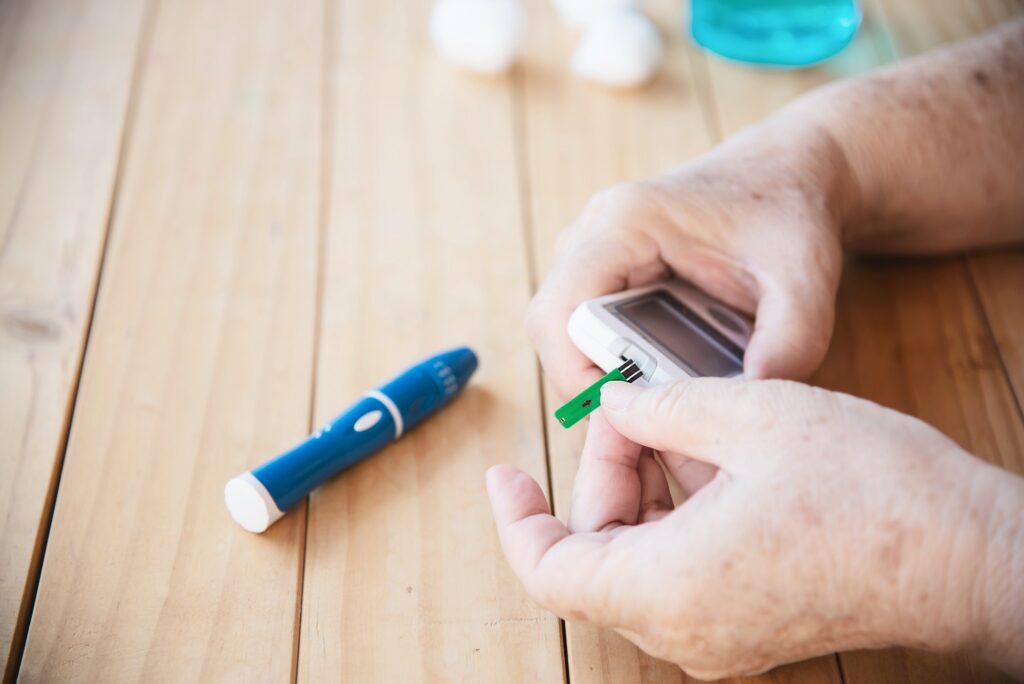
Proper blood sugar management is crucial for maintaining overall health and preventing complications associated with diabetes. Chronic hyperglycemia can cause nerve damage, kidney disease, and cardiovascular complications over time. Conversely, low blood sugar, or hypoglycemia, can cause immediate and severe symptoms like dizziness, confusion, and even loss of consciousness.
Managing blood sugar means balancing levels to support energy, mood, and cognitive function. Stable glucose levels help you feel better throughout the day and can improve concentration, reduce stress, and enhance physical performance. Whether you are managing diabetes, prediabetes, or simply aiming for optimal health, consulting a diabetes specialist in lahore or any other city and monitoring blood sugar is a key component.
Incorporating a CGM into your routine can enhance your ability to manage blood sugar effectively. By providing continuous feedback, CGMs empower you to adjust your lifestyle habits proactively. This real-time data allows you to make immediate changes, such as altering meal composition or timing exercise, to keep glucose levels within target ranges.
Benefits of Continuous Glucose Monitoring
The benefits of using a CGM extend beyond convenience and real-time data. One of the primary advantages is the potential for improved glycemic control. With continuous insights, you can identify patterns and triggers that affect your blood sugar levels, sometimes with guidance from a diabetic reversal clinic. This knowledge enables more personalized and effective management strategies, which can lead to better long-term health outcomes.
Another significant benefit is the reduction in the frequency of finger-stick tests. For many, the discomfort and inconvenience of regular blood sugar testing can be a deterrent to consistent monitoring. CGMs alleviate this burden by providing a less invasive alternative, encouraging more consistent and comprehensive tracking.
Additionally, CGMs often come with features like alarms to alert you of high or low glucose levels, even while you sleep. These alerts can be life-saving, especially for those at risk of severe hypoglycemia. The ability to share glucose data with healthcare providers or family members is another advantage, facilitating better support and collaboration in managing your health.
How Continuous Glucose Monitors Work
Continuous Glucose Monitors operate through a small sensor inserted just under your skin, typically on the abdomen or arm. This sensor measures the glucose levels in interstitial fluid, which is the fluid surrounding your cells. The data is then wirelessly transmitted to a display device, such as a smartphone or dedicated reader.
The CGM system updates glucose readings every few minutes, providing almost real-time insights into your glucose levels. This continuous flow of information helps identify trends and fluctuations that are impossible to detect with periodic finger-stick tests. Most CGM systems also allow you to set personalized glucose targets and alarms to notify you of any deviations.
The insertion of the sensor is generally quick and painless, and most sensors are designed to last several days to a couple of weeks before needing replacement. This extended wear time, combined with the device’s ability to automatically record glucose levels, reduces the daily burden of diabetes management. Moreover, some advanced CGM systems can integrate with insulin pumps, creating a more automated and cohesive approach to diabetes care.

Evaluating the Costs of CGM Systems
When considering CGM systems, it’s essential to weigh the financial investment against the potential health benefits. The cost of CGM devices varies widely depending on the brand, features, and insurance coverage. Generally, expenses include the initial purchase of the receiver and transmitter, as well as ongoing costs for sensors.
Many insurance plans offer coverage for CGMs, especially for individuals with Type 1 diabetes. However, coverage may be limited for those with Type 2 diabetes or for non-diabetic use. It’s crucial to check with your insurance provider to understand what, if any, portion of the costs will be covered. Out-of-pocket costs can add up, so it’s important to consider your financial situation and health priorities.
Despite the costs, the investment in a CGM can lead to significant savings in the long run. By providing better glucose management, CGMs have the potential to reduce the risk of diabetes-related complications, which can be costly to treat. Furthermore, the improved quality of life and peace of mind offered by CGMs are invaluable, making them a worthwhile consideration for many.
Is Continuous Glucose Monitoring Right for You?
Deciding whether a CGM is right for you involves assessing your health needs, lifestyle, and goals. If you have diabetes and struggle with managing blood sugar levels, a CGM can be an invaluable tool in your healthcare arsenal. The continuous feedback can help you and your healthcare provider tailor your treatment plan more effectively.
For individuals without diabetes, CGMs can still offer significant insights, particularly if you are interested in optimizing metabolic health or athletic performance. By understanding how your body responds to different foods, exercises, and stressors, you can make informed decisions to enhance your overall well-being.
Ultimately, the decision to invest in a CGM should be based on a combination of personal health goals, discussions with healthcare professionals, and a realistic assessment of the financial commitment. The benefits of improved glucose management, increased convenience, and enhanced health insights can often outweigh the costs for those who use these tools effectively.
Comparing CGM with Traditional Blood Glucose Testing
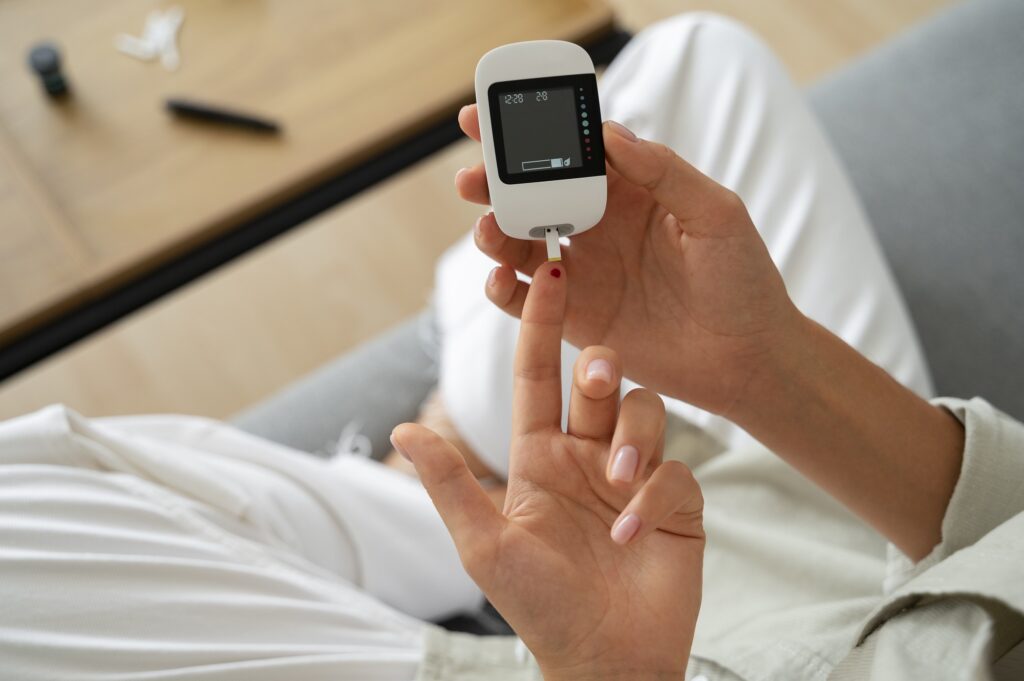
Traditional blood glucose testing involves using a lancet to prick your finger and measure blood sugar levels with a glucometer. While effective, this method only provides a snapshot of your glucose levels at a single point in time. In contrast, CGMs offer a continuous stream of data, giving a more comprehensive picture of glucose trends.
One of the main drawbacks of traditional testing is the inconvenience and discomfort of frequent finger-pricking, which can lead to inconsistent monitoring. CGMs eliminate this barrier, allowing for more frequent and detailed data collection without the associated discomfort. This continuous data can reveal patterns, such as nocturnal hypoglycemia, that are missed with periodic testing.
However, it’s important to note that traditional testing is still necessary in certain situations. CGMs measure glucose in interstitial fluid, which may not always reflect blood glucose changes immediately. Therefore, finger-stick tests are sometimes required to calibrate CGMs or confirm readings during rapid glucose fluctuations. Both methods have their place, and the choice between them depends on individual needs and preferences.
Health Professionals’ Perspectives on CGM
Healthcare professionals generally view CGMs as a valuable tool in diabetes management and overall health monitoring. They appreciate the ability of these devices to provide detailed glucose data, which aids in creating more effective and personalized treatment plans. CGMs can highlight trends that might otherwise go unnoticed, enabling proactive adjustments to medications, diet, and lifestyle.
Doctors often recommend CGMs for patients who experience frequent hypo- or hyperglycemia, as the alarms and data can prevent dangerous glucose excursions. Endocrinologists, in particular, value the detailed glucose profiles that CGMs offer, as they enhance patient consultations and facilitate more informed decision-making.
However, professionals also caution that CGMs are not a one-size-fits-all solution. They emphasize the importance of patient education and support to ensure effective use of the technology. Understanding how to interpret CGM data and integrate it into daily life is crucial for achieving the full benefits of these devices. Therefore, a collaborative approach between patients and healthcare providers is essential for successful CGM implementation.
Conclusion: Making an Informed Decision about CGM
In conclusion, Continuous Glucose Monitoring systems provide a wealth of benefits for those managing their glucose levels, whether due to diabetes, metabolic health concerns, or personal interest in optimizing wellness. The real-time data and reduced testing burden are compelling reasons to consider investing in a CGM.
However, the decision to adopt this technology should be made with careful consideration of your specific health needs, lifestyle, and financial situation. Consult healthcare professionals and research CGM systems to choose the best option for your health goals.
By taking the time to evaluate the potential advantages and costs, you can determine whether a CGM is a worthwhile investment for your health. If you decide to proceed, a CGM can be a powerful tool in achieving better blood sugar management and, ultimately, a healthier, more balanced life.