
Introduction to Anxiety and Panic Attacks
Navigating the complexities of mental health can be daunting, especially when understanding the nuances between anxiety attacks and panic attacks. These terms are frequently used interchangeably, but they encompass distinct experiences with unique triggers and symptoms. Understanding these differences is crucial for effective management and treatment.
Anxiety and panic attacks are manifestations of the body’s stress response, but they differ in their onset, duration, and intensity. An anxiety attack is often linked to stressors and can build gradually, while a panic attack typically arises suddenly and peaks rapidly. Recognizing these characteristics helps in distinguishing between the two, paving the way for appropriate intervention. If you are also experiencing insulin resistance symptoms, discussing them with a healthcare professional can help identify any underlying health concerns.
Defining Anxiety Attacks: Symptoms and Triggers
Anxiety attacks are characterized by a gradual build-up of stress and worry, often triggered by perceived threats or overwhelming situations. These attacks can manifest physically and emotionally, with symptoms that vary from person to person. Common physical symptoms include increased heart rate, sweating, and dizziness, while emotional symptoms may involve feelings of apprehension or dread.
The triggers for anxiety attacks are diverse and may include stress at work, financial concerns, or personal relationships. Unlike panic attacks, anxiety attacks are frequently associated with a specific situation or concern, and the intensity may fluctuate based on the individual’s perception of the threat. If anxiety occurs alongside concerns related to blood sugar or overall metabolic health, consulting a diabetes specialist may help address any underlying health issues.
Understanding these symptoms and triggers is crucial for identifying an anxiety attack. By recognizing the patterns and sources of your anxiety, you can begin to develop effective coping strategies and reduce the frequency and intensity of these episodes.
Understanding Panic Attacks: Symptoms and Triggers
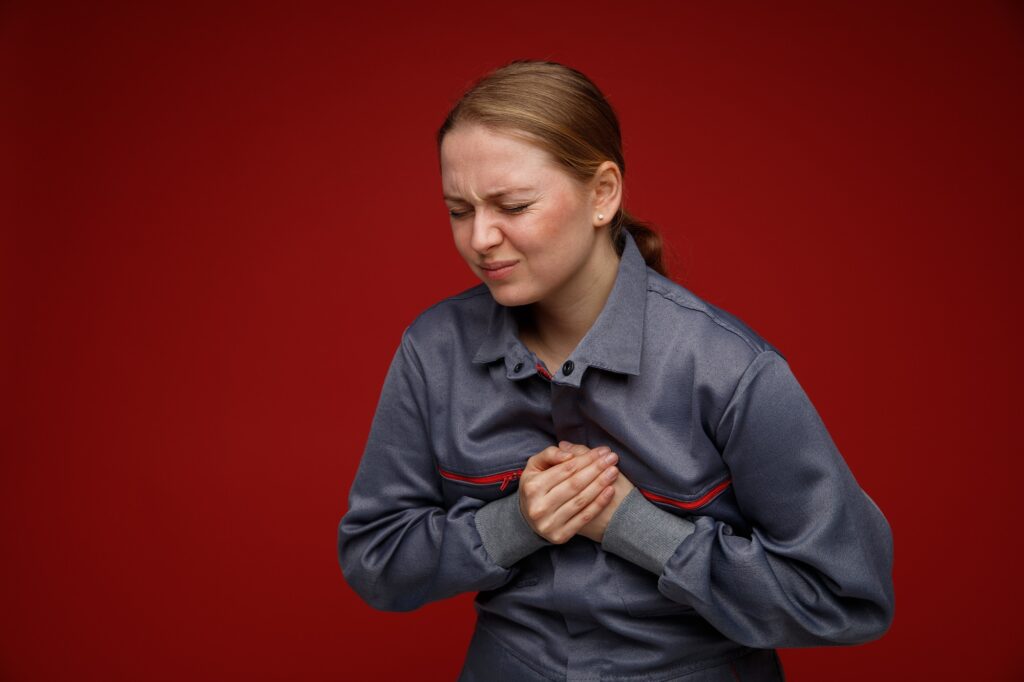
Panic attacks are sudden, intense episodes of fear or discomfort that often occur without an obvious trigger. They are typically characterized by an abrupt surge of overwhelming anxiety that peaks within minutes. Symptoms can include chest pain, shortness of breath, and a feeling of impending doom, often leading individuals to believe they are experiencing a heart attack.
The unpredictability of panic attacks can make them particularly distressing. Unlike anxiety attacks, they are not usually tied to specific stressors and can occur unexpectedly. This unpredictability can lead to a heightened sense of fear about when the next attack might occur, often contributing to ongoing anxiety and avoidance behaviors.
Understanding these symptoms and triggers is vital in differentiating panic attacks from anxiety attacks. Recognizing the signs early can help in managing the condition and seeking appropriate treatment, ensuring a better quality of life. Individuals with other health concerns, such as fatty liver disease, should also discuss their overall health with a healthcare professional to receive appropriate guidance and care.
Key Differences Between Anxiety Attacks and Panic Attacks
While anxiety and panic attacks share similarities, recognizing their distinctions is essential for effective management and treatment. One of the primary differences lies in their onset and duration. Anxiety attacks typically build gradually and are often linked to specific stressors, whereas panic attacks come on suddenly and without warning.
The intensity of symptoms also varies. Panic attacks are usually more severe and can include physical symptoms that mimic those of a heart attack, such as chest pain and shortness of breath. In contrast, anxiety attacks may present with less intense physical symptoms and are often more related to psychological distress.
Understanding these differences can aid in identifying which type of attack you are experiencing. This knowledge not only empowers you to manage your symptoms more effectively but also guides you in seeking appropriate treatment.
Common Myths Surrounding Anxiety and Panic Attacks
Misconceptions about anxiety and panic attacks can lead to stigma and misunderstanding, hindering individuals from seeking help. One common myth is that these attacks are simply a result of stress and can be easily controlled by “calming down.” In reality, they are complex mental health conditions that require proper understanding and management.
Another prevalent myth is that panic attacks always have a specific trigger. While anxiety attacks often relate to identifiable stressors, panic attacks can occur unexpectedly, without any apparent cause. This unpredictability is a defining characteristic of panic disorders.
Debunking these myths is crucial in changing perceptions and encouraging individuals to seek the support they need. By fostering a better understanding of these conditions, we can create a more compassionate and informed society.
Coping Strategies for Anxiety Attacks

Managing anxiety attacks involves a combination of self-awareness, lifestyle changes, and practical techniques. One effective strategy is practicing mindfulness and meditation, which helps in focusing the mind and reducing stress. Regular mindfulness exercises can enhance your ability to cope with anxiety-provoking situations.
Another essential coping mechanism is maintaining a healthy lifestyle. Regular exercise, a balanced diet, and adequate sleep are crucial in managing anxiety levels. Exercise, in particular, releases endorphins, which are natural mood lifters, helping to alleviate symptoms of anxiety.
Building a support network is also vital. Sharing your experiences with friends, family, or support groups can provide emotional support and practical advice. Knowing that you’re not alone in your struggle can significantly reduce feelings of isolation and anxiety.
Coping Strategies for Panic Attacks
Panic attacks can be overwhelming, but with the right strategies, you can manage their impact. Deep breathing exercises are a practical tool to help calm the nervous system during an attack. By focusing on slow, deep breaths, you can reduce the physical symptoms of panic and regain control.
Grounding techniques, such as the 5-4-3-2-1 method, can also be helpful. This involves focusing on five things you can see, four things you can touch, three things you can hear, two things you can smell, and one thing you can taste. This exercise helps redirect your focus and anchor you in the present moment, reducing the intensity of the attack.
Seeking professional therapy, such as cognitive-behavioral therapy (CBT), can also be beneficial. CBT helps in changing the thought patterns that contribute to panic attacks, equipping you with the tools to manage future episodes more effectively.
When to Seek Professional Help
Recognizing when to seek professional help is crucial in managing anxiety and panic disorders effectively. If you find that your attacks are interfering with your daily life, relationships, or work, it may be time to consult a mental health professional. Persistent anxiety or panic that doesn’t respond to self-help strategies is a clear indication that professional intervention is needed.

A mental health professional can provide a comprehensive assessment and develop a tailored treatment plan. This may involve therapy, medication, or a combination of both. Seeking help early can prevent the condition from worsening and improve your overall well-being.
Remember, seeking professional help is a sign of strength, not weakness. It shows your commitment to taking control of your mental health and improving your quality of life.
Treatment Options for Anxiety and Panic Disorders
Treating anxiety and panic disorders often involves a multi-faceted approach. Therapy, particularly cognitive-behavioral therapy (CBT), is a common and effective treatment. CBT focuses on changing the negative thought patterns and behaviors that contribute to anxiety and panic, equipping you with coping mechanisms to manage symptoms.
Medication may also be prescribed to help manage symptoms. Antidepressants and anti-anxiety medications can be effective in reducing the frequency and intensity of attacks. It’s essential to work closely with a healthcare provider to determine the most suitable medication and dosage for your specific needs.
In addition to therapy and medication, lifestyle changes play a crucial role in treatment. Incorporating stress-reduction techniques, such as yoga, meditation, and regular physical activity, can enhance the effectiveness of other treatments and promote overall mental health.
Conclusion: Managing Your Mental Health
Understanding the differences between anxiety and panic attacks is the first step toward effective management and treatment. By recognizing the symptoms and triggers, debunking common myths, and employing coping strategies, you can take control of your mental health.
Remember, you’re not alone in this journey. Seeking professional help and building a support network are vital components of managing anxiety and panic disorders. With the right tools and support, you can navigate these challenges and lead a fulfilling life.