
In recent years, wearable technology has become a buzzword across various industries, notably in health and fitness. But what about its application in physiotherapy? As a patient or healthcare professional, you might wonder if wearable technology is truly a game-changer in physiotherapy or merely a fleeting trend. This article seeks to unravel the complexities surrounding wearable technology in this field, providing you with a comprehensive analysis of its benefits, challenges, and potential future.
Wearable devices, ranging from fitness trackers to sophisticated sensors, are being integrated into physiotherapy practices. These gadgets are designed to monitor and collect data on various physical parameters, offering you insights into your health and recovery progress. Some advanced wearables can also help track indicators associated with insulin resistance, such as physical activity levels and metabolic health trends. With the advent of such technology, physiotherapy is undergoing a transformation, making it more data-driven and personalized.
Understanding Wearable Technology: Definition and Examples
Wearable technology refers to electronic devices that are worn on the body and are capable of collecting data, tracking activity, and often providing real-time feedback to the user. These devices are typically equipped with sensors that measure various physiological metrics such as heart rate, steps taken, calories burned, and more. In the context of physiotherapy, these devices can be instrumental in monitoring rehabilitation progress and tailoring treatment plans.
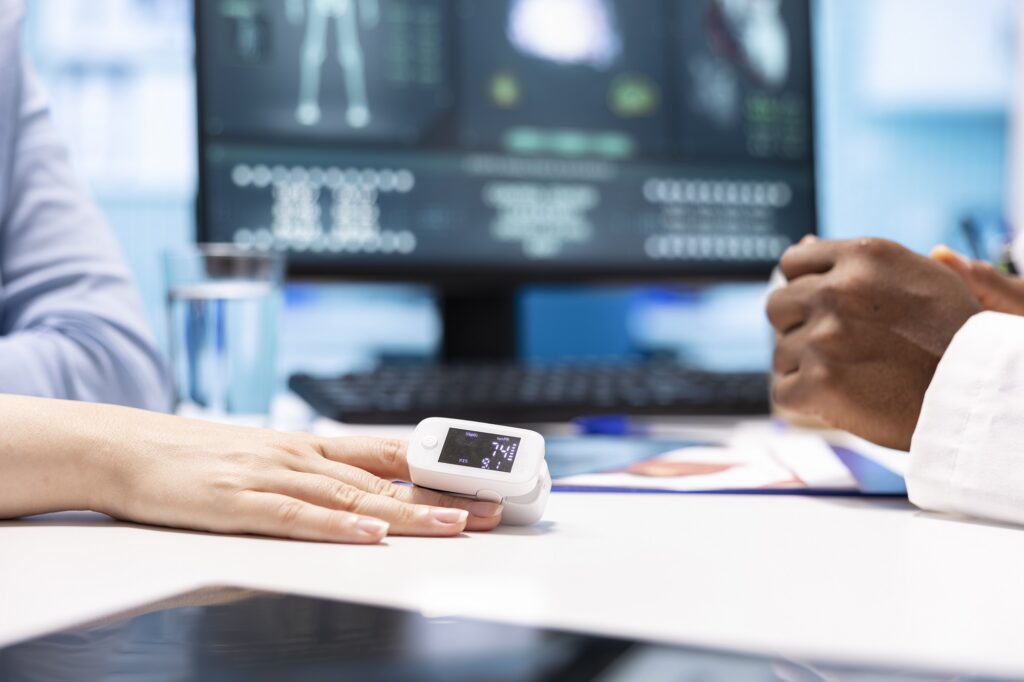
Some common examples of wearable technology used in physiotherapy include:
- Fitness Trackers: Devices like Fitbit or Garmin that track physical activity, heart rate, and sleep patterns.
- Smart Clothing: Garments embedded with sensors that can monitor muscle activity and posture.
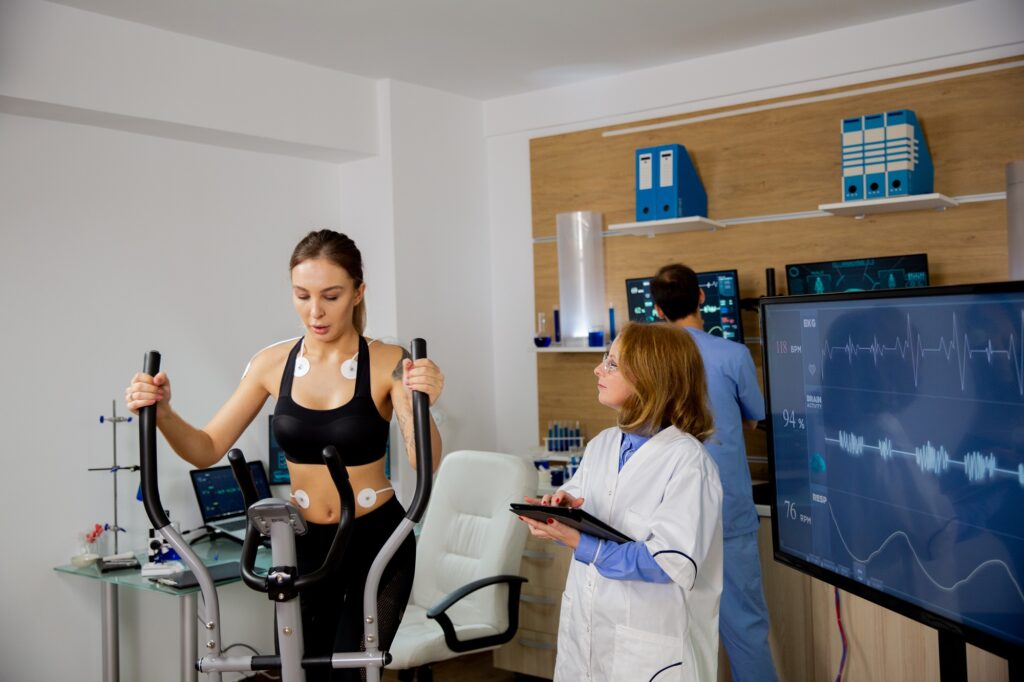
- Wearable ECG Monitors: Devices that provide real-time heart monitoring, crucial for patients with cardiovascular concerns.
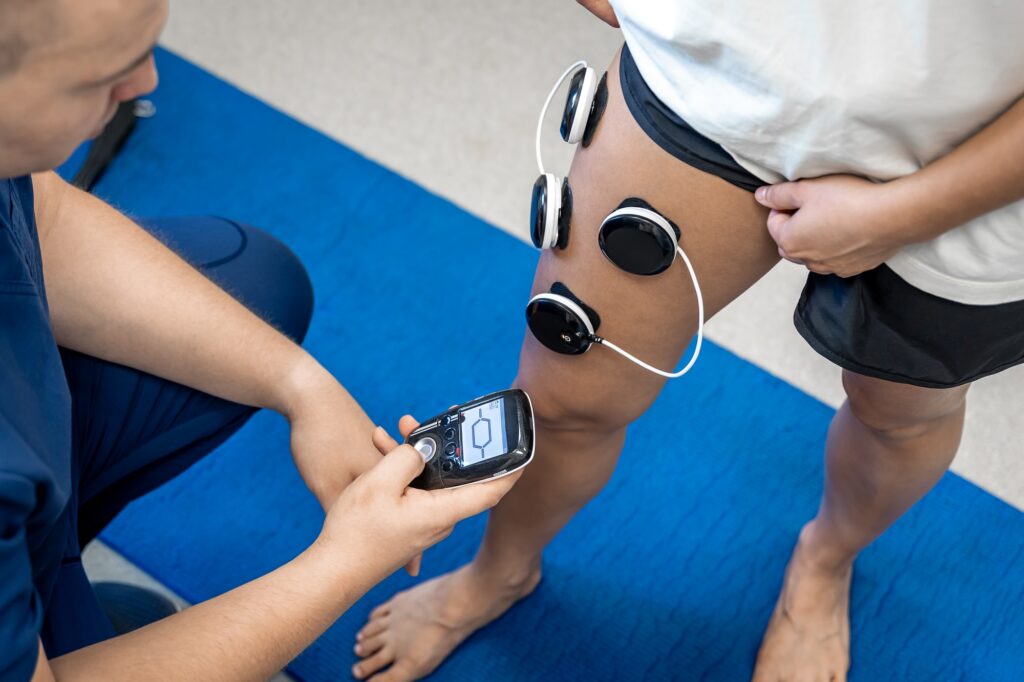
- Motion Sensors: Tools that assess range of motion, balance, and gait, often used in rehabilitation settings.
These devices not only provide you with valuable data but also help your physiotherapist design a more effective, personalized treatment plan. The health insights generated by these wearables can also be useful for a diabetes specialist when monitoring activity levels and supporting the management of diabetes-related complications. By understanding your specific needs and progress through data collected by these wearables, your therapy can be adjusted for optimal results.
The Role of Wearable Technology in Physiotherapy
Wearable technology’s role in physiotherapy is multifaceted, offering benefits that span from data collection to enhancing patient engagement. For you, as a patient, the use of wearables can mean more personalized and effective treatment plans based on your unique data. The information collected can also be shared with an online weight loss doctor to support broader health goals, such as weight management and lifestyle improvement. These devices enable continuous monitoring of your physical activity and health metrics, providing your physiotherapist with detailed insights into your rehabilitation journey.
This continuous data flow allows for more informed decision-making in your treatment. Physiotherapists can track your progress remotely, adjusting plans as needed to ensure you are on the right path to recovery. This can lead to earlier intervention if your progress stalls or if complications arise, ultimately enhancing the efficiency and effectiveness of your treatment.
Furthermore, wearable technology can increase your engagement and compliance with physiotherapy. When you have access to real-time feedback on your performance and recovery, you are more likely to stay motivated and adhere to your prescribed exercises and routines. This active participation is crucial for successful rehabilitation and long-term health outcomes.
Benefits of Wearable Technology for Patients
The integration of wearable technology in physiotherapy provides several advantages that can significantly enhance your rehabilitation experience. One of the primary benefits is the ability to track and monitor your progress in real-time. This immediate feedback can be a powerful motivator, allowing you to see tangible evidence of improvement, which can boost your commitment to your therapy regimen.
Wearables also enable a more personalized approach to your treatment. By collecting data specific to your condition and lifestyle, your physiotherapist can tailor your therapy to better suit your needs. This can lead to more efficient sessions, reduced recovery times, and ultimately, better outcomes for you. Such customization ensures that you receive the most effective care possible, maximizing the potential for successful rehabilitation.
Additionally, wearable technology can enhance communication with your healthcare provider. With the data these devices collect, your physiotherapist can make more informed decisions, providing you with detailed insights into your progress. This transparency can foster a stronger patient-therapist relationship, enhancing your overall treatment experience and ensuring you are always informed about your rehabilitation journey.
Limitations and Challenges of Wearable Technology in Physiotherapy
Despite its promising benefits, wearable technology in physiotherapy is not without its challenges. One of the primary limitations is the cost associated with these devices. High-quality wearables can be expensive, and not all patients may have access to them. This financial barrier can limit the widespread adoption of wearable technology and restrict its benefits to a select group of individuals.
Additionally, data privacy and security concerns are significant issues in the use of wearables. As these devices collect sensitive health information, ensuring that this data is securely stored and transmitted is crucial. There is always a risk of data breaches, which can jeopardize patient privacy and trust in digital health solutions.
Another challenge is the potential for data overload. While wearables provide valuable insights, the sheer volume of data generated can be overwhelming for both patients and healthcare providers. Sorting through this information to extract meaningful insights requires time and expertise, which may not always be readily available. This can lead to underutilization of the data or reliance on inaccurate interpretations, ultimately affecting the quality of care you receive.
Expert Opinions: Insights from Physiotherapists on Wearables
To gain a deeper understanding of wearable technology’s impact on physiotherapy, it is valuable to consider the perspectives of those who use these tools in practice. Many physiotherapists acknowledge the potential of wearables to revolutionize patient care, emphasizing their ability to provide objective data that can inform treatment decisions and improve outcomes. This data-driven approach enables therapists to track progress more accurately and adjust treatment plans as necessary.
However, some experts caution against over-reliance on technology, stressing the importance of maintaining a balanced approach. They argue that while wearables offer significant advantages, the human element of physiotherapy should not be overlooked. Personalized care, empathy, and hands-on techniques remain essential components of effective rehabilitation, and wearable technology should serve as a complement rather than a replacement for these traditional methods.
Moreover, physiotherapists highlight the need for proper training and education to maximize the benefits of wearable technology. Both patients and practitioners must understand how to use these devices effectively to ensure they enhance, rather than hinder, the therapeutic process. By fostering collaboration between technology and healthcare professionals, the potential of wearables in physiotherapy can be fully realized.
The Future of Wearable Technology in Physiotherapy
The future of wearable technology in physiotherapy looks promising, with advancements in technology paving the way for even more innovative applications. As devices become more sophisticated and affordable, their integration into physiotherapy practices is likely to become more widespread. This evolution could lead to more seamless and efficient rehabilitation processes, benefiting both patients and practitioners.
Emerging trends in wearable technology include the development of devices with enhanced sensors and connectivity, enabling even more precise monitoring of physical activity and health metrics. These advancements could facilitate more accurate assessments and tailored interventions, ultimately improving patient outcomes and satisfaction. Additionally, the integration of artificial intelligence and machine learning could further enhance the analytical capabilities of wearables, providing deeper insights into patient progress and treatment efficacy.
However, for wearable technology to reach its full potential in physiotherapy, ongoing research and collaboration between technology developers and healthcare professionals are essential. By addressing the current limitations and challenges, the future of wearables in physiotherapy can be one of empowerment, enabling more personalized and effective care for all patients.
Comparing Wearable Technology with Traditional Physiotherapy Methods
While wearable technology offers numerous benefits, it is essential to compare its effectiveness with traditional physiotherapy methods. Traditional approaches, such as manual therapy, exercise prescription, and patient education, have long been the cornerstone of physiotherapy, providing tangible results for countless patients. These methods emphasize the therapist-patient relationship, fostering trust and collaboration in the rehabilitation process.
Wearable technology, on the other hand, introduces a new dimension to physiotherapy by providing objective data and real-time feedback. This can enhance the accuracy of assessments and allow for more personalized treatment plans. However, the reliance on technology should not overshadow the importance of hands-on techniques and personalized care, which remain crucial components of successful rehabilitation.
Ultimately, the most effective approach to physiotherapy may involve a combination of traditional methods and wearable technology. By integrating the best of both worlds, patients can benefit from the expertise and empathy of their therapist, along with the valuable insights provided by wearables. This holistic approach can lead to more comprehensive and effective treatment, ensuring optimal outcomes for all patients.
Conclusion: Is Wearable Technology in Physiotherapy Worth It?
The decision to incorporate wearable technology into your physiotherapy journey ultimately depends on your unique needs and circumstances. Wearables offer numerous benefits, from personalized treatment plans to enhanced patient engagement, making them a valuable tool in the rehabilitation process. However, they also come with challenges, such as cost and data privacy concerns, which must be carefully considered.
For many patients, wearable technology can be a helpful addition to their physiotherapy regimen, providing valuable insights and motivation to achieve their recovery goals. When used in conjunction with traditional methods, wearables have the potential to enhance the overall effectiveness of your treatment and lead to better outcomes.
As you consider whether wearable technology is right for you, it is essential to weigh the pros and cons and consult with your healthcare provider. They can help you determine the best approach to your rehabilitation, ensuring you receive the most effective care possible. By taking an informed and balanced approach, you can make the most of wearable technology in your physiotherapy journey.