
Blood pressure is a vital sign that indicates the force of blood against the walls of your arteries as your heart pumps it around your body. It is expressed in two numbers: systolic pressure (the higher number), which measures the pressure when the heart beats, and diastolic pressure (the lower number), which measures the pressure between beats. Understanding these numbers is crucial because they reflect how well your cardiovascular system is functioning.
High blood pressure, or hypertension, can lead to serious health issues such as heart disease, stroke, and kidney failure. Conversely, low blood pressure, or hypotension, might cause dizziness and fainting, and in severe cases, be life-threatening. Conditions such as insulin resistance can also contribute to broader cardiovascular and metabolic health concerns, making it important to monitor and manage overall wellness. Therefore, maintaining blood pressure within a normal range is essential for overall well-being.
Knowing your blood pressure numbers helps you to take proactive steps to manage your health. Awareness of your baseline readings allows you to recognize any deviations that could signify underlying issues, enabling timely intervention. This understanding is the foundation of effective health maintenance, making regular monitoring a key component of a healthy lifestyle.
The Importance of Regular Blood Pressure Monitoring
Regular blood pressure monitoring is indispensable for detecting any significant fluctuations that could indicate health problems. Many people with high blood pressure exhibit no symptoms, which is why hypertension is often referred to as the “silent killer.” Monitoring your blood pressure regularly can help in early detection and management of this condition, potentially preventing life-threatening complications. This is especially important for individuals with metabolic conditions such as fatty liver disease, which is often associated with an increased risk of cardiovascular issues.
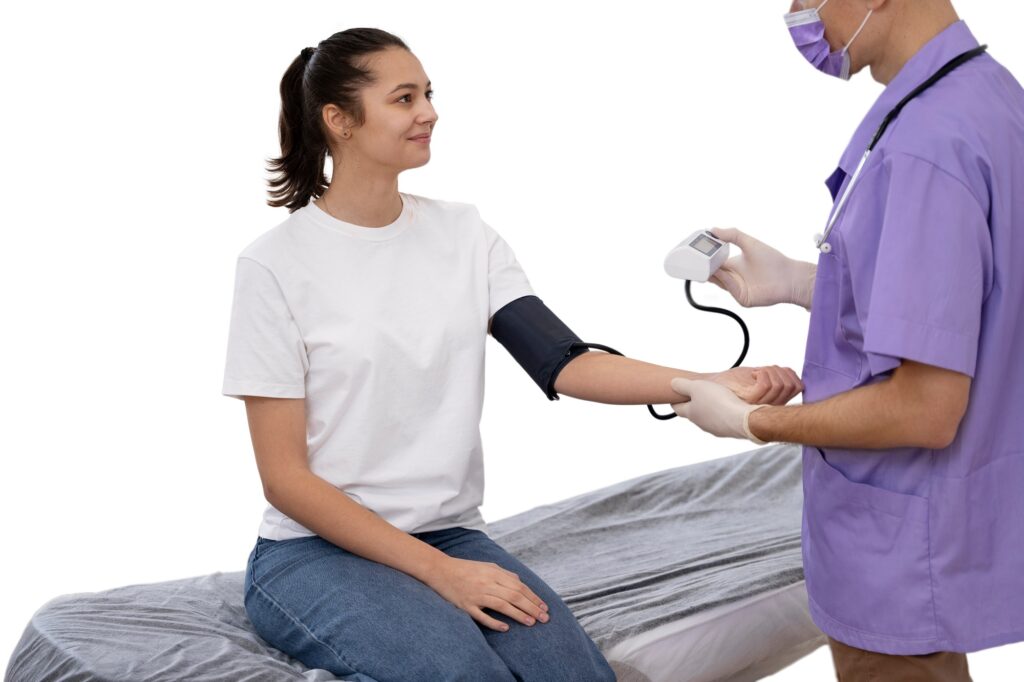
Keeping track of your blood pressure over time provides valuable data for your healthcare provider. This information helps in assessing how well your current treatment plan is working or if adjustments are necessary. It also empowers you to make informed decisions about lifestyle changes or medications that may benefit your health.
Moreover, regular monitoring fosters a sense of accountability and encourages you to maintain healthy habits. By understanding the impact of diet, exercise, and stress on your blood pressure, you can take more control of your health. Working with an online weight loss doctor can further support these efforts by providing personalized guidance on lifestyle changes that promote long-term cardiovascular wellness. Regular monitoring acts as a reminder of the importance of maintaining a healthy lifestyle, reinforcing positive behavior changes.
How Blood Pressure Affects Overall Health
Blood pressure significantly influences your overall health, affecting various organs and systems. High blood pressure can lead to damage in your arteries, making them less elastic, which decreases the flow of blood and oxygen to your heart. This can result in heart attacks, strokes, or other heart-related complications.
The kidneys, too, are vulnerable to high blood pressure. When blood vessels in the kidneys are damaged, it impairs the organ’s ability to filter waste from your blood effectively. Over time, this can lead to chronic kidney disease, necessitating dialysis or even a kidney transplant in severe cases.
Additionally, high blood pressure can impact your brain health. It can cause the arteries in the brain to burst or become blocked, leading to strokes. It may also contribute to cognitive decline and dementia over time. Thus, maintaining a healthy blood pressure is crucial for preserving cognitive function and overall vitality.
Recommended Guidelines for Monitoring Blood Pressure
The American Heart Association recommends that adults should regularly monitor their blood pressure to detect any changes early. For those with normal readings, checking blood pressure at least once every two years is advisable. If you have been diagnosed with hypertension, more frequent monitoring, as advised by your healthcare provider, is crucial.
When measuring your blood pressure at home, it’s essential to use a properly calibrated and validated device. Ensure you are in a comfortable position, with your arm supported at heart level, and avoid caffeine, exercise, and smoking at least 30 minutes before taking a measurement. This will help ensure accurate readings.
Record your readings consistently, noting the date, time, and any factors that might have influenced your blood pressure, such as stress or physical activity. Sharing this information with your healthcare provider can help tailor a more effective treatment plan suited to your unique needs.
Tools and Techniques for Accurate Blood Pressure Measurement
Achieving accurate blood pressure measurements requires the right tools and techniques. There are two main types of blood pressure monitors: manual and digital. While manual devices require a stethoscope and a trained professional, digital monitors are user-friendly and suitable for home use.

When selecting a digital monitor, consider features such as ease of use, display size, memory storage, and cuff size. An appropriately sized cuff is critical, as too small or too large cuffs can lead to inaccurate readings. Many devices now come with Bluetooth connectivity, allowing you to track your readings via smartphone apps.
To ensure accuracy, follow these steps:
- Sit quietly for five minutes before measuring.
- Ensure your feet are flat on the floor and back is supported.
- Position your arm at heart level.
- Avoid talking or moving during the measurement.
Regular calibration of your device, either at home or with the assistance of a healthcare professional, is also important to maintain accuracy.
Common Myths About Blood Pressure Monitoring
Several myths about blood pressure monitoring can impede effective management. One common misconception is that if you feel fine, your blood pressure must be normal. As mentioned earlier, hypertension often has no symptoms, so feeling well does not necessarily mean your blood pressure is within a healthy range.
Another myth is that blood pressure only needs to be checked in a doctor’s office. While professional measurements are important, home monitoring provides additional data that can help manage blood pressure more effectively. It also helps reduce the “white coat syndrome,” where anxiety during a doctor’s visit causes an artificial spike in blood pressure.
Some believe that once medication is started, monitoring is no longer necessary. However, continuous monitoring is essential to ensure that the medication is effective and to make any necessary adjustments. Understanding these myths and the realities of blood pressure monitoring can lead to better health outcomes.
Lifestyle Changes to Maintain Healthy Blood Pressure Levels
Making specific lifestyle changes can significantly impact your blood pressure. A balanced diet rich in fruits, vegetables, lean proteins, and whole grains can help reduce blood pressure. Limiting salt intake and avoiding processed foods are also crucial steps in maintaining healthy levels.
Regular physical activity is another vital component. Aim for at least 150 minutes of moderate aerobic exercise, like brisk walking, or 75 minutes of vigorous activity, like running, each week. Exercise helps reduce blood pressure by strengthening the heart, enabling it to pump blood more efficiently.
Stress management is equally important for blood pressure control. Techniques such as meditation, deep breathing exercises, or yoga can help reduce stress levels. Additionally, ensuring adequate sleep and moderating alcohol consumption can further support healthy blood pressure levels.
The Role of Healthcare Professionals in Blood Pressure Management
Healthcare professionals play a pivotal role in managing your blood pressure. Regular check-ups with your doctor can ensure that your blood pressure is being monitored correctly, and any necessary interventions are implemented promptly. They can provide guidance on medication, lifestyle changes, and other therapeutic measures tailored to your specific needs.
Nurses and pharmacists are also valuable resources in blood pressure management. They can offer practical advice on how to use home monitoring devices accurately and interpret the results. They may also conduct blood pressure screenings in community settings, increasing awareness and early detection.
Collaborating with healthcare professionals fosters a comprehensive approach to managing blood pressure. Their expertise can guide you in making informed decisions about your health, ensuring you receive the best possible care and support on your journey to maintaining optimal blood pressure.
Technology and Innovations in Blood Pressure Monitoring
Advancements in technology have revolutionized blood pressure monitoring, making it more accessible and convenient. Wearable devices, such as smartwatches, now offer continuous blood pressure tracking, providing real-time data and insights into your cardiovascular health. These innovations allow for seamless integration into daily life, promoting regular monitoring without additional effort.
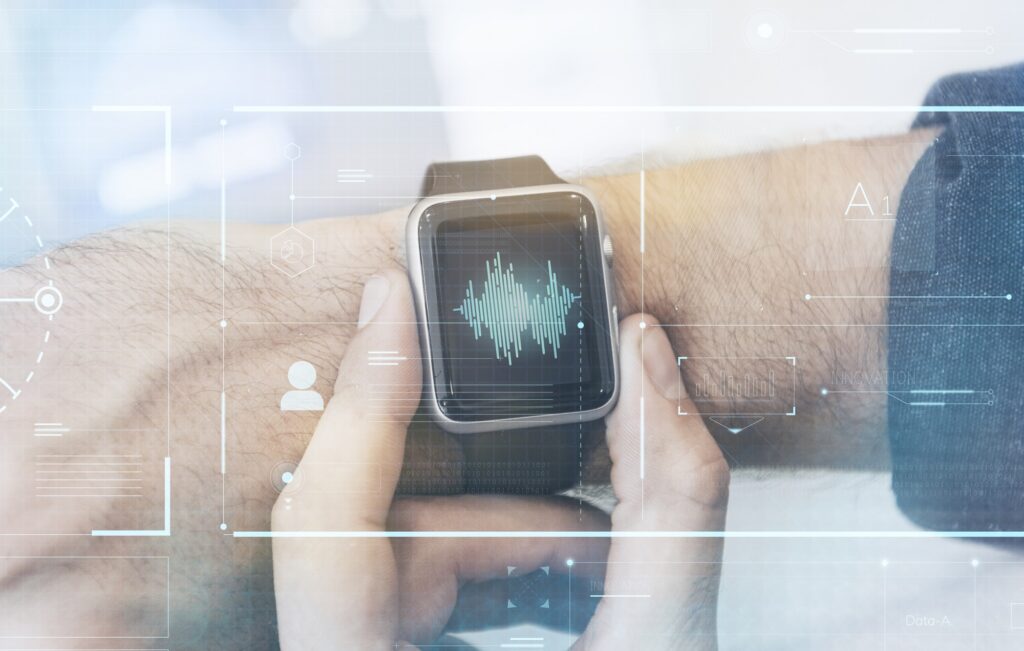
Another exciting development is the use of artificial intelligence to analyze blood pressure data. AI algorithms can detect patterns and predict potential health issues, offering personalized recommendations for managing blood pressure. This can lead to more proactive and individualized healthcare approaches.
Telemedicine has also made it easier for patients to share their blood pressure data with healthcare providers remotely, facilitating timely interventions without the need for frequent office visits. These technological innovations make blood pressure management more efficient and patient-centered, aligning with the modern-day emphasis on preventive healthcare.
Conclusion: Making Regular Monitoring a Priority for Your Health
In conclusion, regular blood pressure monitoring is an essential aspect of maintaining your health. By understanding your blood pressure readings and the implications they have on your overall well-being, you can take proactive steps to prevent potential health issues. With the help of modern tools, professional guidance, and lifestyle changes, managing your blood pressure effectively is within reach.
Make regular blood pressure monitoring a priority in your health routine. Stay informed, stay proactive, and collaborate with your healthcare team to ensure you are on the right path to a healthier future. Your commitment to monitoring and maintaining healthy blood pressure levels is a vital investment in your long-term health and quality of life.