
What is Gout and How Does It Affect Women?
Gout arises from the accumulation of uric acid crystals in the joints, leading to intense inflammation and discomfort. While it is often associated with lifestyle factors such as diet and alcohol consumption, genetics also play a pivotal role. In women, hormonal changes, especially after menopause, can drastically alter uric acid levels, making them more susceptible to gout.
Interestingly, the symptoms of gout in women can be less pronounced or atypical compared to men. This can include a gradual build-up of pain or discomfort rather than the sudden, acute flare-ups commonly associated with the condition. As a result, gout in women can be misinterpreted or even overlooked, and some individuals may initially consult an online weight loss doctor while addressing related concerns such as diet and weight management, before receiving an accurate diagnosis—especially if the symptoms are attributed to other forms of arthritis or joint pain.
Moreover, women may experience gout in different joints compared to men. While men often report gouty pain in the big toe, women may experience it in their fingers, wrists, or knees. This variation in symptoms further complicates accurate recognition and diagnosis, underscoring the need for awareness and understanding of how gout uniquely affects women.
Common Symptoms of Gout in Women
The symptoms of gout in women can be subtle yet debilitating. They often include:
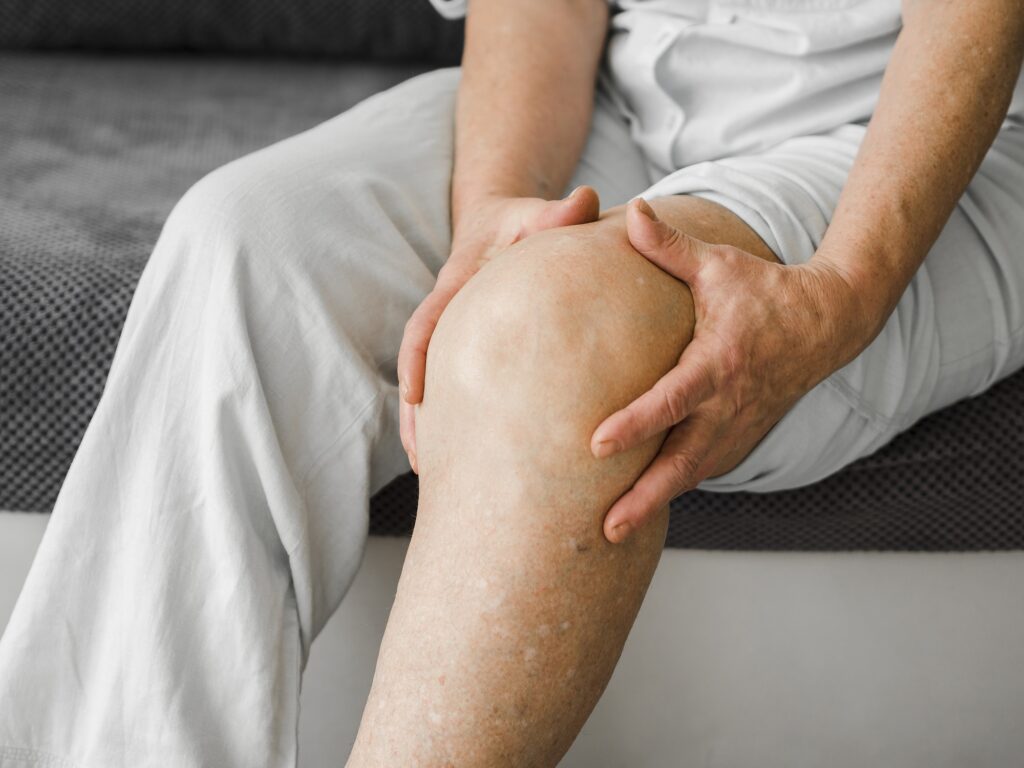
- Joint Pain: Typically intense and can start suddenly, often at night. The pain may be less localized to the big toe but can affect other joints like the knees, wrists, or fingers.
- Swelling and Redness: Affected joints may become swollen, red, and tender to the touch, which can be mistaken for other inflammatory conditions. In some individuals, coexisting health issues such as fatty liver disease may further contribute to systemic inflammation, adding complexity to the diagnosis.
- Reduced Mobility: The inflammation can severely limit joint movement, impacting daily activities and overall quality of life.
In addition to the above, some women report persistent low-grade pain, which can be misleading. This chronic discomfort may be misdiagnosed as osteoarthritis or rheumatoid arthritis, especially since these conditions are more common in women. In some cases, underlying metabolic concerns such as insulin resistance may also be present, further complicating the overall clinical picture.
Another challenging aspect of diagnosing gout in women is the presence of tophi, which are hard deposits of uric acid crystals under the skin. Tophi are less common in women or may develop later in the course of the disease, further delaying accurate diagnosis. Recognizing these symptoms and their nuances in women is essential for distinguishing gout from other joint disorders.
Reasons for Frequent Misdiagnosis of Gout in Women
The frequent misdiagnosis of gout in women can be attributed to several factors. Firstly, the presenting symptoms often differ from the classic manifestations seen in men. This divergence can lead healthcare providers to pursue alternative diagnoses, overlooking gout as a possibility.
Secondly, there is a prevalent misconception that gout is predominantly a male disease. This stereotype can bias the diagnostic process, causing physicians to consider other forms of arthritis or joint pain as more likely in female patients. Additionally, the atypical presentation of gout in women can mimic other conditions, such as rheumatoid arthritis or lupus, leading to misinterpretation of symptoms.
Furthermore, laboratory tests may not always reflect elevated uric acid levels during a flare-up, adding another layer of complexity to diagnosis. Women may experience normal uric acid levels between attacks, which can mislead practitioners into ruling out gout as a potential diagnosis. Comprehensive patient history and awareness of these diagnostic challenges are vital for accurate identification and management of gout in women.
Risk Factors Contributing to Gout in Women
Several risk factors can increase the likelihood of developing gout in women. Understanding these can help in early detection and prevention. Key risk factors include:
- Hormonal Changes: Post-menopausal women experience a decline in estrogen, which can lead to increased uric acid levels in the bloodstream.
- Dietary Habits: Consuming foods high in purines, such as red meat and shellfish, can elevate uric acid production, exacerbating the risk of gout.
- Obesity: Excess body weight can contribute to higher uric acid levels and greater stress on joints, compounding the risk of gout attacks.
In addition to these factors, women with a family history of gout are more likely to develop the condition themselves. Lifestyle choices, such as alcohol consumption and dehydration, can also contribute to increased uric acid levels. Recognizing these risk factors allows for proactive measures to minimize the likelihood of developing gout and its complications.
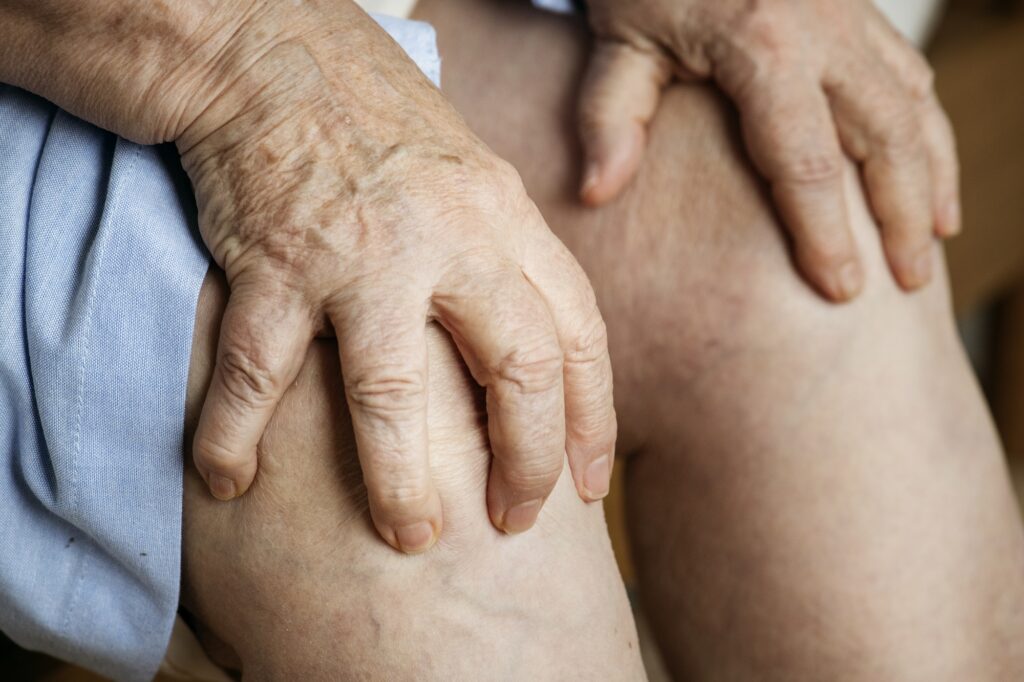
The Importance of Accurate Diagnosis for Effective Treatment
Accurate diagnosis of gout is crucial for implementing effective treatment strategies. Misdiagnosis can lead to inappropriate treatment plans, which may not only fail to alleviate symptoms but could also exacerbate the condition. Proper identification of gout ensures that patients receive the most suitable medications and interventions.
An accurate diagnosis can prevent unnecessary treatments for conditions that mimic gout, such as rheumatoid arthritis. This is particularly important for women, who may otherwise undergo inappropriate therapies that do not address the underlying cause of their joint pain. Timely and precise diagnosis can lead to better management of symptoms and improved patient outcomes.
Moreover, understanding the nature of gout and its specific impact on women empowers patients to make informed decisions about their health. It encourages open dialogue with healthcare providers about symptoms, treatment options, and lifestyle changes that can help manage the condition effectively.
How Gout is Diagnosed: Tests and Procedures
Diagnosing gout involves a combination of clinical evaluation and diagnostic tests. Healthcare providers may begin with a thorough examination of the affected joints, looking for signs of inflammation and tophi. A comprehensive patient history is also critical, including any previous episodes of joint pain and family history of gout.
Key Diagnostic Tests:
- Blood Tests: These measure uric acid levels in the blood. However, it’s essential to note that normal uric acid levels do not rule out gout, especially during a flare-up.
- Joint Fluid Test: This involves extracting fluid from the affected joint with a needle. The presence of uric acid crystals in the fluid confirms a gout diagnosis.
- X-rays and Ultrasound: Imaging tests can help identify joint damage or tophi, assisting in differentiating gout from other conditions.
These diagnostic procedures, combined with clinical assessment, provide a comprehensive understanding of the condition. Prompt and accurate diagnosis is fundamental to developing an effective treatment plan tailored to the patient’s specific needs.
Treatment Options for Gout in Women
Once diagnosed, gout in women can be managed through a combination of medications and lifestyle adjustments. Treatment aims to alleviate symptoms during flare-ups and prevent future attacks.

Medications:
- Nonsteroidal Anti-inflammatory Drugs (NSAIDs): These can help reduce pain and inflammation during acute attacks.
- Colchicine: This medication helps decrease swelling and prevent flares when taken at the onset of symptoms.
- Corticosteroids: Used for severe attacks, they can quickly relieve pain and inflammation.
- Urate-lowering Therapy (ULT): Long-term medications like allopurinol or febuxostat can help reduce uric acid levels and prevent future episodes.
In addition to medications, lifestyle modifications play a crucial role in managing gout. Patients are encouraged to maintain a healthy weight, stay hydrated, and limit the intake of purine-rich foods and alcohol. These changes can significantly reduce the frequency and severity of gout attacks, enhancing overall health and well-being.
Lifestyle Changes to Manage and Prevent Gout
Implementing lifestyle changes is vital for managing and preventing gout, particularly in women who may experience atypical symptoms. Here are some effective strategies:
- Dietary Adjustments: Opt for a balanced diet rich in fruits, vegetables, whole grains, and low-fat dairy. Reduce consumption of red meat, shellfish, and sugary beverages.
- Regular Exercise: Engage in moderate physical activity to maintain a healthy weight and reduce stress on joints. Activities like walking, swimming, and cycling are excellent choices.
- Hydration: Drink plenty of water to help dilute uric acid in the bloodstream and promote its excretion through urine.
Additionally, avoiding alcohol, especially beer and spirits, can help decrease uric acid levels. It’s also beneficial to manage stress and ensure adequate rest, as these factors can influence the frequency of gout attacks. Adopting these lifestyle changes can empower women to take control of their health and minimize the impact of gout on their lives.
The Role of Healthcare Providers in Addressing Gout Misdiagnosis
Healthcare providers play a crucial role in addressing the misdiagnosis of gout in women. Increasing awareness and understanding of how gout presents differently in women is essential for improving diagnostic accuracy. Providers should be vigilant in considering gout as a potential diagnosis, especially in women with atypical symptoms.
Ongoing education and training for healthcare professionals can enhance their ability to recognize and diagnose gout accurately. Encouraging open communication with patients about their symptoms and concerns also aids in more precise diagnosis and treatment planning.
Furthermore, healthcare providers should advocate for routine uric acid level checks in women who present with joint pain, particularly post-menopausal women. By doing so, they can ensure timely intervention and management, reducing the risk of complications and improving patient outcomes.
Conclusion: Raising Awareness About Gout in Women
Raising awareness about gout in women is critical for improving diagnosis and treatment outcomes. Recognizing the unique ways in which gout can manifest in women is the first step toward addressing the frequent misdiagnosis and ensuring that women receive the care they need.
By understanding the symptoms, risk factors, and necessary lifestyle changes, women can take proactive steps to manage their condition. Similarly, healthcare providers must remain informed and vigilant, ensuring that they consider gout as a potential diagnosis in their female patients.
Together, through education and advocacy, we can enhance awareness and understanding of gout in women, ultimately leading to better health outcomes. If you or someone you know is experiencing unexplained joint pain, consider discussing the possibility of gout with a healthcare professional. Early intervention and appropriate treatment can make a significant difference in managing this condition effectively.