
Tobacco smoking is a prevalent habit worldwide, affecting millions of people and leading to numerous health complications. The act of smoking introduces a variety of harmful chemicals into your body, which can have immediate and long-term detrimental effects. Understanding these effects is crucial for recognizing the risks associated with smoking and the importance of cessation.
When you inhale tobacco smoke, your body is exposed to thousands of chemicals, many of which are toxic. Nicotine, tar, carbon monoxide, and formaldehyde are just a few of the hazardous substances found in cigarettes. These chemicals can harm nearly every organ in your body, contributing to conditions such as fatty liver disease, cancer, respiratory disorders, and heart disease.
While the impact on your lungs is often the most discussed aspect of smoking, it’s essential to understand how tobacco affects your cardiovascular system, particularly your blood vessels and blood pressure.
Understanding Blood Vessels and Their Role in Circulation
Blood vessels are a critical component of your circulatory system, responsible for transporting blood throughout your body. They consist of arteries, veins, and capillaries, each serving a unique and vital function. Arteries carry oxygen-rich blood away from your heart to your tissues, while veins return oxygen-depleted blood back to your heart. Capillaries are tiny vessels where oxygen, nutrients, and waste products are exchanged between blood and tissues.
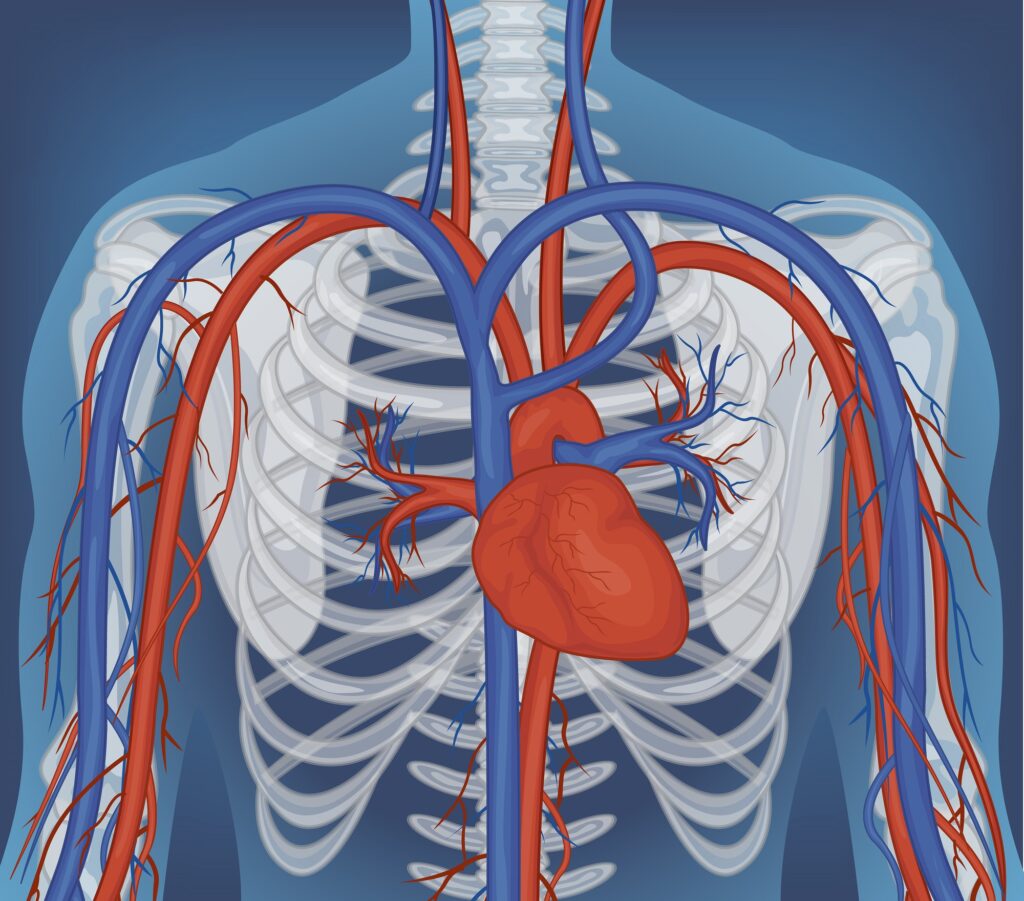
Healthy blood vessels are flexible, strong, and maintain an appropriate level of tension to ensure efficient blood flow. They respond to various signals to either dilate or constrict, allowing your body to regulate blood pressure and distribute oxygen and nutrients effectively, which is an important consideration when seeking support from a diabetic reversal clinic.
Maintaining the health of your blood vessels is crucial for your overall cardiovascular health. Damage to these vessels can lead to conditions such as atherosclerosis, hypertension, and ultimately, cardiovascular disease. Smoking tobacco, as we will discuss, can significantly impair the function and structure of your blood vessels, leading to serious health issues.
How Smoking Tobacco Damages Blood Vessels
Smoking tobacco introduces a multitude of harmful substances into your bloodstream, which can cause direct and indirect damage to your blood vessels. One of the primary culprits is nicotine, a highly addictive chemical that has a profound effect on your vascular system. Nicotine causes blood vessels to constrict, reducing blood flow and increasing blood pressure.
Moreover, smoking triggers inflammation and oxidative stress, both of which are detrimental to vascular health. Inflammation can lead to the narrowing of blood vessels, while oxidative stress damages the cells lining your blood vessels, known as the endothelium, which is also an important consideration in metabolic syndrome treatment. This damage impairs the vessels’ ability to expand and contract properly, contributing to the development of atherosclerosis.
The buildup of plaque within your arteries, known as atherosclerosis, is a significant consequence of smoking. As plaque accumulates, it narrows the arteries, restricting blood flow and increasing the risk of blood clots. These changes not only elevate blood pressure but also raise the risk of heart attacks and strokes.
The Link Between Smoking and Elevated Blood Pressure
Elevated blood pressure, or hypertension, is a common result of smoking and a significant risk factor for cardiovascular disease. When you smoke, the immediate effect is a spike in blood pressure due to the constriction of blood vessels and increased heart rate caused by nicotine.
In addition to the immediate effects, long-term smoking leads to chronic hypertension. The damage to the endothelium and the buildup of arterial plaque contribute to sustained high blood pressure. This condition forces your heart to work harder to pump blood, which can lead to heart failure over time.
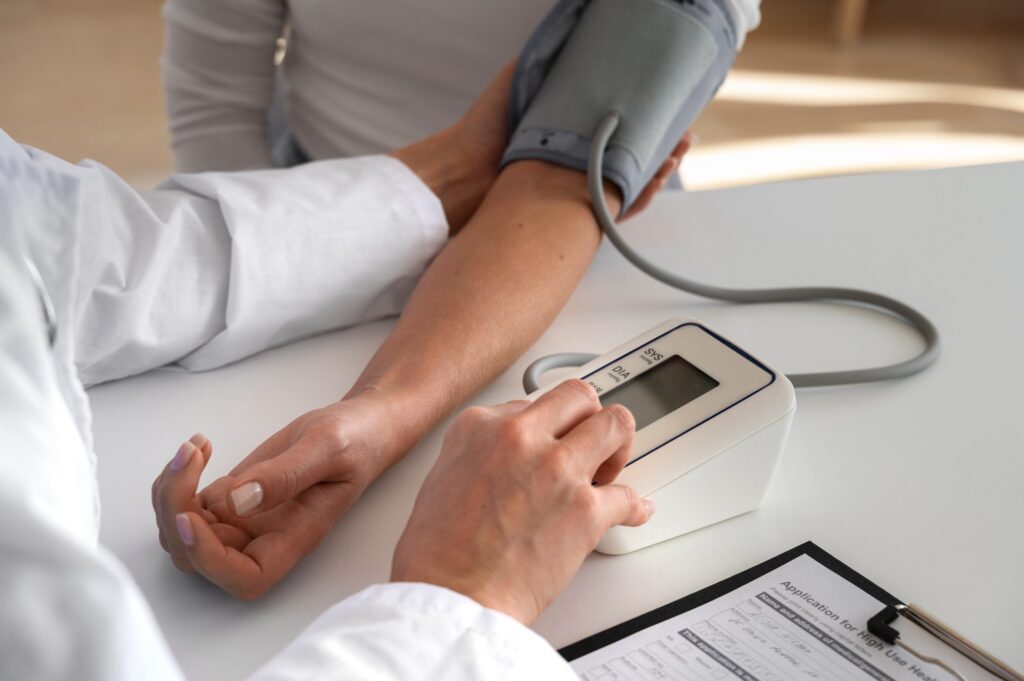
High blood pressure is often referred to as a “silent killer” because it typically presents no symptoms until significant damage has occurred. Regular monitoring of your blood pressure and understanding the impact of smoking on vascular health is critical in preventing serious health issues.
Physical Changes Induced by Tobacco Smoking
Tobacco smoking induces several physical changes in your body, many of which are detrimental to your cardiovascular health. The chemicals in tobacco smoke affect the structure and function of your blood vessels, leading to visible and invisible changes.
One of the most noticeable changes is the discoloration of your skin and nails due to reduced blood flow and oxygen levels. Your skin may appear dull and aged, as smoking affects collagen production and accelerates the aging process. Additionally, the reduced blood flow can lead to cold hands and feet as your body struggles to maintain adequate circulation.
Internally, the damage is more severe. The narrowing and hardening of arteries, increased blood pressure, and reduced oxygen delivery all contribute to an increased workload on your heart. Over time, these changes can lead to heart disease, strokes, and peripheral artery disease, underscoring the importance of quitting smoking.
The Short-Term Effects of Smoking on Blood Pressure
Smoking has immediate effects on your cardiovascular system, particularly blood pressure. Within minutes of smoking a cigarette, nicotine causes a temporary spike in blood pressure and heart rate. This immediate response is your body’s way of dealing with the increased demand for oxygen and nutrients.
The repeated exposure to nicotine and other chemicals in tobacco smoke keeps your blood pressure elevated, even when you’re not smoking. This sustained hypertension strains your heart and blood vessels, potentially leading to acute cardiovascular events, such as heart attacks or strokes.
Understanding these short-term effects is vital, as they can occur with even occasional smoking. It’s a clear indication that smoking, even in small amounts, has a significant impact on your cardiovascular health, reinforcing the need for cessation efforts.
Long-Term Consequences of Smoking on Cardiovascular Health
The long-term consequences of smoking on your cardiovascular health are profound and well-documented. Chronic smoking leads to persistent high blood pressure, contributing to the development of serious conditions like coronary artery disease, heart attacks, and strokes.
Over time, the damage to your blood vessels can lead to peripheral artery disease, a condition characterized by reduced blood flow to your limbs. This can cause pain, weakness, and in severe cases, tissue death. Additionally, the increased risk of aneurysms, blood clots, and heart failure makes smoking one of the leading preventable causes of cardiovascular disease.
Quitting smoking significantly reduces the risk of these long-term consequences. Research shows that within a year of quitting, your risk of heart disease drops significantly, highlighting the remarkable ability of your body to heal from the damaging effects of smoking.
Strategies for Quitting Smoking and Improving Vascular Health
Quitting smoking is one of the most effective ways to improve your vascular health and reduce the risk of cardiovascular disease. Several strategies can help you on your journey to becoming smoke-free.

- Nicotine Replacement Therapy (NRT): Products like patches, gum, and lozenges can help reduce withdrawal symptoms and cravings.
- Prescription Medications: Medications such as varenicline and bupropion can aid in reducing cravings and withdrawal symptoms.
- Counseling and Support Groups: Behavioral therapy and support groups provide the encouragement and accountability needed to succeed.
- Lifestyle Changes: Incorporating regular exercise, a healthy diet, and stress-reduction techniquescan improve overall cardiovascular health.
- Set a Quit Date: Having a specific date to quit can provide a tangible goal and motivation.
Combining these strategies increases your chances of quitting successfully and reaping the benefits of improved vascular health.
Conclusion: The Importance of Understanding Tobacco’s Impact on Blood Vessels
Understanding the impact of smoking on your blood vessels and cardiovascular health is crucial for making informed decisions about your health. The damage caused by smoking is extensive, affecting everything from blood pressure to the risk of serious diseases.
Quitting smoking offers numerous benefits, including improved blood vessel function, reduced blood pressure, and a decreased risk of cardiovascular disease. Taking the steps to quit not only enhances your health but also improves your quality of life.