
Movement assessments are systematic evaluations designed to analyze an individual’s movement patterns. These assessments aim to identify any imbalances, weaknesses, or dysfunctional movements that could potentially lead to injuries. By observing how you move, experts can pinpoint specific areas that require attention and improvement, ensuring that your body functions optimally.
Typically, these assessments involve a series of exercises and movements, such as squats, lunges, or arm raises, that reveal information about your body’s alignment, balance, and flexibility. Each movement is scrutinized for deviations from ideal form, which can indicate underlying issues like muscle tightness or joint restrictions. The goal is to gather comprehensive data that can guide the development of a personalized fitness or rehabilitation program, with an online weight loss doctor being another option for those who want professional guidance alongside their fitness goals.
Incorporating movement assessments into your fitness regimen is not just for athletes or those recovering from injuries. Anyone interested in maintaining or improving their physical health can benefit from understanding their movement patterns. By addressing issues early, you can enhance your performance, reduce the risk of injury, and enjoy a more active and fulfilling lifestyle.
The Importance of Movement Assessments in Injury Prevention
Injury prevention is crucial for anyone engaged in physical activity, whether you’re an elite athlete or a weekend warrior. Movement assessments play a pivotal role in this process by identifying potential risk factors before they lead to injuries. By understanding the mechanics of your body, you can take proactive steps to mitigate these risks, while guidance from a diabetic reversal clinic can support individuals managing diabetes who want to stay active and reduce health-related barriers to exercise.
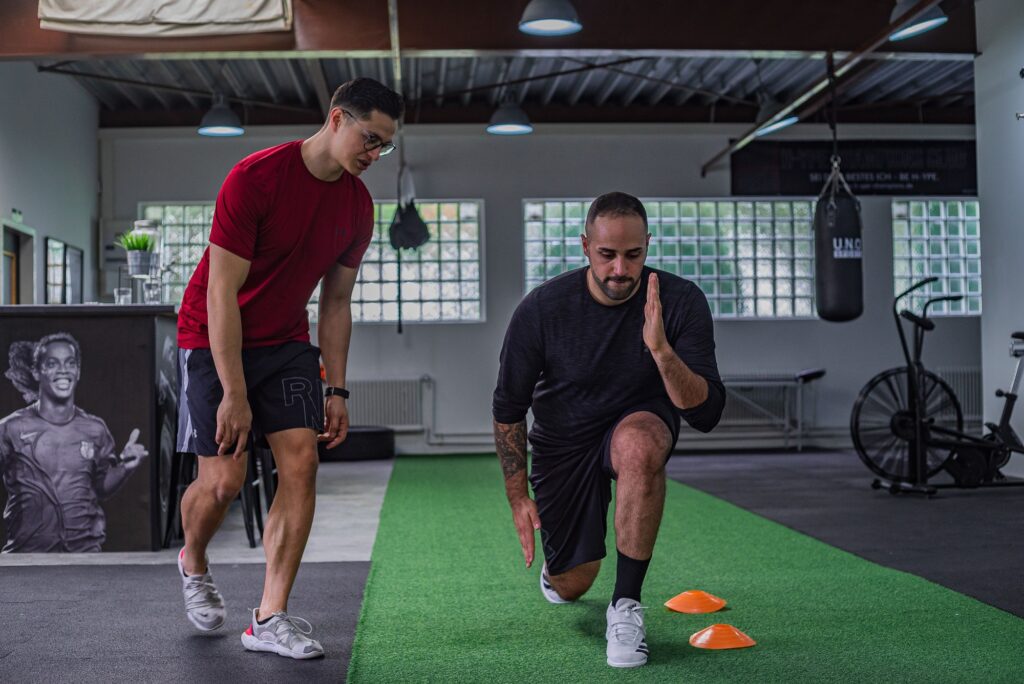
One of the primary benefits of movement assessments is their ability to detect asymmetries or imbalances that might not be immediately apparent. These imbalances can cause undue stress on certain joints or muscles, increasing the likelihood of strains or sprains. Through these assessments, you can gain insights into your body’s specific needs, allowing you to address them through targeted exercises or therapies.
Moreover, movement assessments can help tailor your training programs to fit your unique biomechanical profile. By aligning your workouts with your body’s capabilities, you can enhance performance while minimizing the chance of injury. This personalized approach ensures that your fitness journey is both safe and effective, while appropriate metabolic syndrome treatment can complement exercise and lifestyle changes when broader health concerns need to be addressed.
Common Types of Movement Assessments
There are several types of movement assessments, each with a unique focus and methodology. These assessments can be broadly categorized into functional, dynamic, and static evaluations, each offering valuable insights into your movement patterns.
- Functional Movement Screen (FMS): This is one of the most popular assessments used by fitness professionals. It consists of seven fundamental movement patterns that require a balance of mobility and stability. The FMS helps identify movement deficiencies and asymmetries, providing a score that can guide improvement strategies.
- Y Balance Test: This dynamic test measures your balance and stability by having you maintain balance on one leg while reaching in three different directions with the other leg. It’s particularly useful for assessing the risk of lower extremity injuries and tracking progress in rehabilitation.
- Overhead Squat Assessment: This test evaluates your overall functional mobility, stability, and core strength. Observing how you perform a squat can reveal limitations in areas such as the ankles, knees, hips, and shoulders, making it an essential tool for comprehensive movement analysis.
Each of these assessments provides valuable data on different aspects of your movement, enabling a holistic understanding of your physical capabilities and limitations.
How to Conduct a Movement Assessment
Conducting a movement assessment requires a systematic approach to ensure accurate and reliable results. Here’s a step-by-step guide on how to effectively perform these assessments:
- Preparation: Begin by gathering the necessary equipment, such as mats, measuring tapes, or cameras, if needed. Ensure the environment is safe and free from distractions to allow for optimal focus during the assessment.
- Execution: Follow the specific protocols for each assessment type, ensuring that movements are performed consistently and correctly. Pay close attention to form, noting any deviations or compensations that may occur during the exercises.
- Documentation: Record your observations meticulously, taking note of any areas of concern. This information will be crucial in developing a targeted intervention plan. Video recording can be particularly helpful for a more detailed analysis.
Having a professional, such as a physiotherapist or certified trainer, conduct the assessment can enhance accuracy and provide expert insights. However, understanding the basics will empower you to be more engaged in your fitness journey.
Interpreting Movement Assessment Results
Once you have completed a movement assessment, interpreting the results is the next critical step. This process involves analyzing the data collected to identify patterns or issues that require attention.

Begin by reviewing the assessment scores or observations for each movement. Look for any significant deviations from the norm, such as limited range of motion, instability, or asymmetries. These findings can indicate areas where your body is compensating, which may increase the risk of injury if left unaddressed.
Next, consider how these findings relate to your current fitness goals or athletic demands. For instance, if you’re a runner experiencing knee pain, identifying a hip imbalance could be key to addressing the root cause of your discomfort. By connecting the dots between assessment results and real-world performance, you can develop a more effective training or rehabilitation plan.
Finally, prioritize the areas that need the most attention, focusing on exercises or therapies that will have the greatest impact. Regular reassessments can track progress and ensure that your strategies remain aligned with your evolving needs.
Integrating Movement Assessments into Training Programs
Integrating movement assessments into your training programs can significantly enhance the effectiveness and safety of your workouts. Here’s how you can seamlessly incorporate these evaluations into your fitness routine:
- Initial Assessment: Begin with a comprehensive movement assessment to establish a baseline understanding of your strengths and weaknesses. Use this data to inform the design of your training program, ensuring it aligns with your body’s unique requirements.
- Ongoing Monitoring: Schedule regular reassessments to monitor progress and adjust your program as needed. This continuous feedback loop helps maintain optimal alignment with your evolving fitness goals and prevents potential setbacks.
- Tailored Interventions: Utilize the insights gained from assessments to implement targeted interventions, such as corrective exercises or mobility drills. This personalized approach ensures that your training addresses specific areas of concern, enhancing overall performance and reducing injury risk.
By making movement assessments a routine part of your fitness strategy, you can optimize your workouts, achieve better results, and enjoy a more sustainable approach to health and wellness.
Benefits of Regular Movement Assessments for Athletes and Fitness Enthusiasts
Regular movement assessments offer numerous benefits for both athletes and fitness enthusiasts. These evaluations are not just about preventing injuries; they also enhance overall performance and improve the quality of your physical activities.
- Enhanced Performance: By identifying and addressing movement inefficiencies, you can improve your technique and execution in various sports or activities. This leads to better performance outcomes and can give you a competitive edge.
- Injury Prevention: Regular assessments help detect issues before they become problematic, reducing the likelihood of injuries. This proactive approach ensures that you can maintain an active lifestyle with fewer interruptions.
- Increased Body Awareness: Understanding your movement patterns fosters greater body awareness, helping you make conscious adjustments during physical activities. This awareness is crucial for maintaining proper form and avoiding unnecessary strain.
For athletes striving for peak performance or fitness enthusiasts seeking to stay active and healthy, the benefits of regular movement assessments are invaluable.
Movement Assessment Tools and Technologies
The advancement of technology has introduced a variety of tools that enhance the accuracy and effectiveness of movement assessments. These innovations provide deeper insights and facilitate more precise interventions.
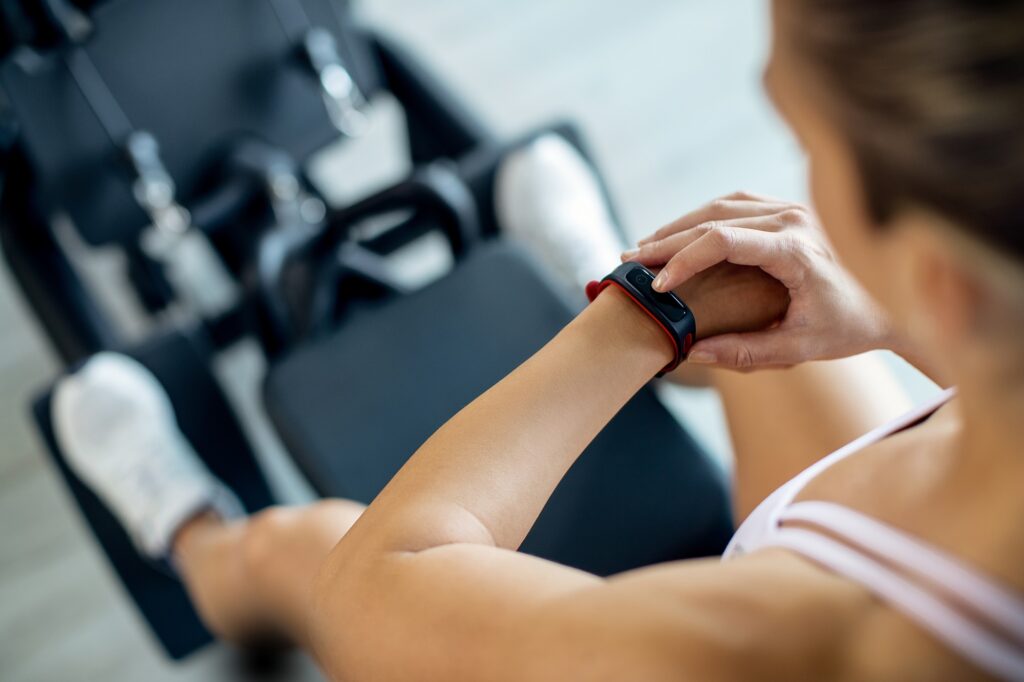
- Motion Capture Systems: These high-tech systems use cameras and sensors to create detailed 3D models of your movements. They are particularly useful for analyzing complex motions and are often used in professional sports settings.
- Wearable Devices: Devices like smartwatches and fitness trackers can monitor your movement patterns in real time, offering valuable data on aspects such as gait, posture, and overall activity levels.
- Mobile Apps: Several apps are designed to guide users through self-assessments, providing instant feedback and recommendations based on your input. These tools make movement assessments more accessible to the general public.
By leveraging these technologies, you can gain a more comprehensive understanding of your movement patterns, enabling more informed decision-making in your fitness journey.
Conclusion: Making Movement Assessments a Part of Your Fitness Routine
Incorporating movement assessments into your fitness routine is a strategic decision that offers long-term benefits. These assessments provide essential insights into your movement patterns, helping you optimize performance, prevent injuries, and achieve your fitness goals.
To make the most of movement assessments, consider scheduling regular evaluations and integrating the findings into your training program. Collaborate with professionals who can offer expert guidance and ensure that your strategies remain aligned with your objectives.
By prioritizing movement assessments, you invest in a proactive approach to your health and fitness. This commitment not only enhances your physical capabilities but also supports a more active and fulfilling lifestyle.