
When it comes to liver health, diet plays an essential role. Your liver is responsible for processing nutrients, filtering toxins, and regulating metabolism. Understanding how different diet patterns affect liver fat accumulation can empower you to make informed choices that support your overall well-being.
Liver fat accumulation, often referred to as hepatic steatosis or fatty liver, occurs when excess fat builds up in liver cells. This condition, commonly associated with fatty liver disease, can lead to inflammation, liver damage, and even liver failure if not addressed. Various diet patterns, such as high-carbohydrate, high-fat, and high-sugar diets, can significantly impact liver fat levels.
By examining these diet patterns, you can identify which foods and habits contribute to liver fat accumulation. Furthermore, understanding the role of fiber and exercise in liver health can help you craft a balanced lifestyle that supports optimal liver function.
The Role of the Liver in Metabolism
The liver is a vital organ involved in numerous metabolic processes. It acts as a processing plant for your body’s nutrients, converting them into energy and essential compounds. Moreover, the liver detoxifies harmful substances, stores vitamins and minerals, and produces bile for digestion.
One of the liver’s critical functions is regulating glucose levels. It stores glucose as glycogen and releases it when your body needs energy. The liver also plays a role in breaking down fats, converting them into usable energy or storing them for later use. When this process is disrupted, it can be associated with insulin resistance, which may affect how the body manages glucose and fat metabolism.
Understanding the liver’s metabolic functions highlights its importance in maintaining overall health. When liver function is compromised by excess fat accumulation, it can disrupt these processes, leading to metabolic disorders and other health issues.
How Different Diet Patterns Affect Liver Fat Accumulation
Diet patterns have a profound impact on liver fat accumulation. High-carbohydrate diets, rich in refined grains and sugars, can lead to increased fat storage in the liver. These diets often result in insulin resistance, a condition that exacerbates fat accumulation.
Conversely, high-fat diets, especially those high in saturated and trans fats, can also contribute to liver fat buildup. These fats are more readily stored in the liver, leading to increased risk of nonalcoholic fatty liver disease (NAFLD).
Balancing your diet by including a variety of nutrients can help manage liver fat levels. Incorporating healthy fats, lean proteins, and complex carbohydrates, along with reducing sugar and refined grain intake, can mitigate the risk of liver fat accumulation. For personalized dietary guidance, consulting an online weight loss doctor can also help you develop a sustainable nutrition plan based on your individual needs.
The Impact of High-Carbohydrate Diets on Liver Fat
High-carbohydrate diets, particularly those rich in refined sugars and starches, can significantly impact liver fat accumulation. When consumed in excess, carbohydrates are converted into glucose. If not immediately used for energy, this glucose is stored as fat in the liver.
Insulin resistance often accompanies high-carbohydrate intake. This condition prevents your body from effectively using glucose, leading to increased blood sugar levels and more fat storage in the liver. Over time, this can result in fatty liver disease and other metabolic complications.
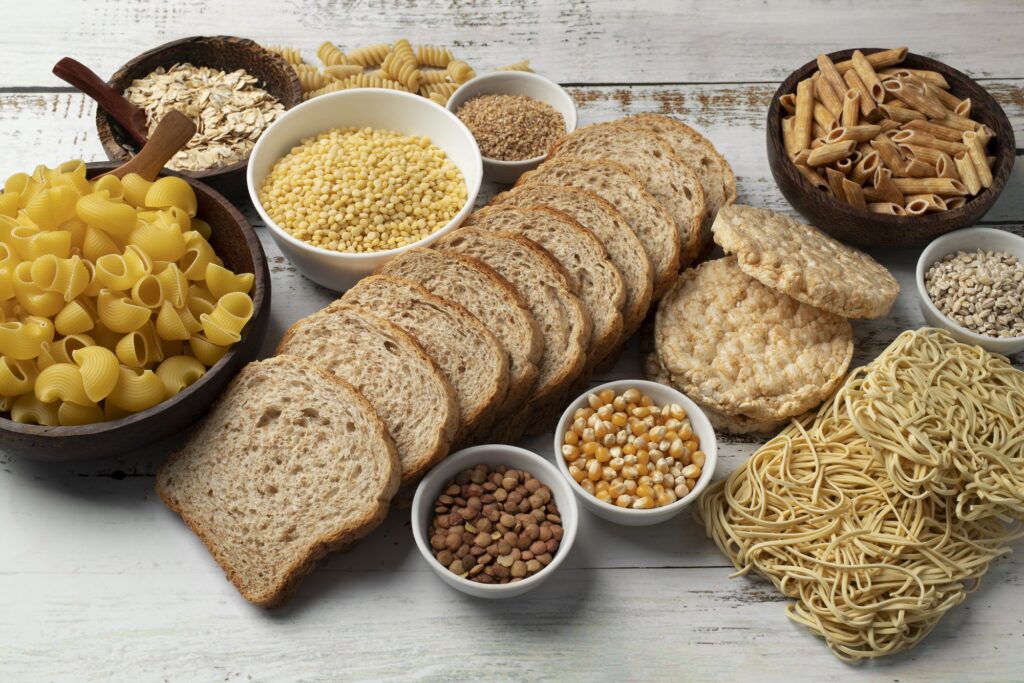
To reduce liver fat, consider moderating your carbohydrate intake. Focus on consuming complex carbohydrates like whole grains, fruits, and vegetables, which are digested more slowly and have a lesser impact on blood sugar levels.
The Effects of High-Fat Diets on Liver Health
High-fat diets, especially those laden with unhealthy fats, can negatively impact liver health. Saturated and trans fats, found in processed foods and fatty meats, are more likely to be stored as fat in the liver, increasing the risk of fatty liver disease.
While fat is an essential nutrient, the type of fat consumed matters. Unsaturated fats, such as those found in olive oil, nuts, and avocados, can support liver health by reducing inflammation and improving lipid profiles. These healthy fats can aid in maintaining a balanced liver function.

Incorporating more unsaturated fats and reducing saturated fat intake can help manage liver fat levels. By choosing healthier fat sources, you can promote liver health and potentially reduce the risk of developing liver-related conditions.
The Relationship Between Sugar Intake and Liver Fat
Sugar consumption, particularly fructose, is closely linked to liver fat accumulation. When consumed in large amounts, fructose is processed almost entirely by the liver, where it is converted into fat. This process can lead to an increase in liver fat and contribute to the development of nonalcoholic fatty liver disease.
In addition to fructose, high intake of added sugars found in sweetened beverages and processed foods can exacerbate liver fat buildup. These sugars are quickly absorbed into the bloodstream, causing insulin resistance and promoting fat storage in the liver.
To manage liver fat, it’s crucial to limit your intake of added sugars. Opt for natural sources of sweetness, such as fruits, and read food labels carefully to avoid hidden sugars in processed products.
The Importance of Fiber in Liver Fat Management
Fiber plays a vital role in managing liver fat levels. Soluble fiber, found in foods like oats, beans, and fruits, helps regulate blood sugar levels by slowing down the absorption of glucose. This can prevent insulin spikes and reduce the amount of fat stored in the liver.
Moreover, fiber aids in weight management, which is crucial for reducing liver fat. By promoting satiety and reducing overall calorie intake, fiber can help you maintain a healthy weight, decreasing the risk of fatty liver disease.
Incorporating a variety of fiber-rich foods into your diet can support liver health. Aim to include fruits, vegetables, whole grains, and legumes in your meals to ensure adequate fiber intake and promote optimal liver function.
Practical Dietary Recommendations for Reducing Liver Fat
To effectively reduce liver fat, consider implementing the following dietary recommendations:
Limit Sugars and Refined Carbohydrates:
- Reduce intake of sweetened beverages and processed foods.
- Opt for whole grains and natural sources of sweetness like fruits.
Choose Healthy Fats:
- Include sources of unsaturated fats, such as olive oil, nuts, and avocados.
- Limit saturated and trans fats found in processed and fried foods.
Increase Fiber Intake:
- Incorporate a variety of fiber-rich foods such as fruits, vegetables, whole grains, and legumes.
Balance Macronutrients:
- Ensure a balanced intake of carbohydrates, proteins, and fats to support liver function.
Stay Hydrated:
- Drink plenty of water to support digestion and nutrient absorption.
By making these dietary adjustments, you can help reduce liver fat accumulation and support overall liver health.
The Role of Exercise in Managing Liver Fat Levels
Exercise is a powerful tool in managing liver fat levels. Regular physical activity helps improve insulin sensitivity, allowing your body to better use glucose for energy rather than storing it as fat. This can directly reduce the amount of fat stored in the liver.

Engaging in both aerobic exercises, such as walking, running, and cycling, and strength training activities can promote fat loss and improve liver function. These exercises help reduce overall body fat, which is crucial for managing liver fat levels.
Aim for at least 150 minutes of moderate-intensity exercise each week to support liver health. By incorporating regular physical activity into your routine, you can enhance your liver’s ability to process nutrients and reduce the risk of fatty liver disease.
Conclusion: Making Informed Dietary Choices for Liver Health
Understanding the connection between diet patterns and liver fat accumulation is essential for maintaining liver health. By being mindful of your carbohydrate, fat, and sugar intake, you can make informed dietary choices that support your liver’s vital functions.
Incorporating fiber-rich foods and engaging in regular exercise can further enhance your liver’s ability to manage fat levels. By adopting a holistic approach that includes a balanced diet and an active lifestyle, you can promote optimal liver health and reduce the risk of liver-related conditions.