
Understanding Fiber: What It Is and Why It Matters
Fiber is an important part of a healthy diet and plays a key role in maintaining digestive health. It is a type of plant-based carbohydrate that the body cannot fully digest. Unlike other carbohydrates, fiber passes through the digestive system mostly intact, helping to keep digestion smooth and regular. In addition to supporting digestion, fiber offers several health benefits. It helps in maintaining a healthy weight, lowering cholesterol levels, and regulating blood sugar, which is especially important for managing insulin resistance. Because of these benefits, fiber also reduces the risk of various chronic diseases and supports overall body health. Understanding the different types of fiber and their specific benefits can help individuals make better dietary choices. By including enough fiber-rich foods in the daily diet, people can improve not only their digestive health but also their overall well-being.
Types of Fiber: Soluble vs. Insoluble
Fiber is broadly classified into two types: soluble and insoluble. Each type serves distinct purposes in your body, and understanding the differences can help you tailor your diet chart to meet your specific health needs.
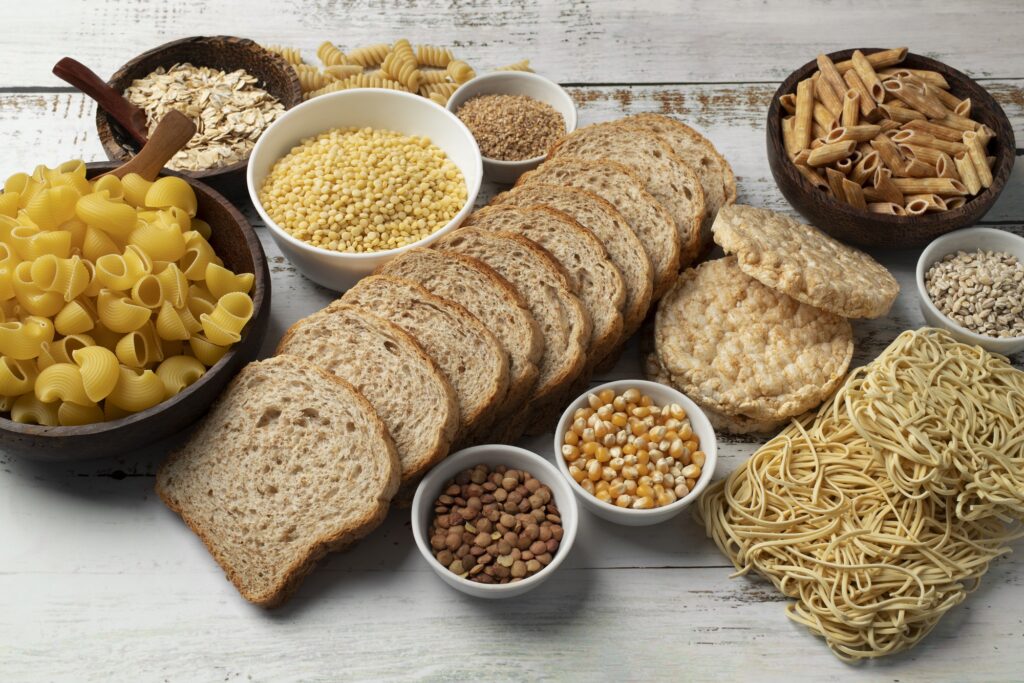
Soluble fiber dissolves in water and forms a gel-like substance in your digestive tract. This type of fiber helps lower blood sugar levels and cholesterol. Foods high in soluble fiber include oats, apples, and beans. Incorporating these foods into your diet can help manage cholesterol levels and support heart health.
Insoluble fiber, on the other hand, does not dissolve in water. It adds bulk to your stool and promotes regular bowel movements. Foods rich in insoluble fiber include whole grains, nuts, and vegetables. By including a variety of both types of fiber in your diet, you can enjoy the comprehensive benefits they offer for digestive health and support the management of metabolic syndrome.
Recommended Daily Fiber Intake: How Much Do You Need?
Determining the right amount of fiber to consume daily is important for maintaining optimal health. According to dietary guidelines, the recommended daily fiber intake is about 25 grams for women and 38 grams for men, though these amounts may vary based on age, gender, and individual health needs.
To meet these recommendations, it is helpful to include a variety of fiber-rich foods in your diet. A balanced diet containing fruits, vegetables, whole grains, and legumes can naturally support adequate fiber intake.
It is also important to increase fiber consumption gradually. A sudden increase may cause bloating, gas, or digestive discomfort. Making small, consistent changes to your diet can help you increase fiber intake comfortably and safely.
Consequences of Too Little Fiber in Your Diet
Not getting enough fiber can negatively affect overall health. A low-fiber diet is commonly linked to constipation and irregular bowel movements, which can cause discomfort and lead to digestive issues over time.
Insufficient fiber intake is also associated with a higher risk of chronic diseases such as heart disease, type 2 diabetes, and certain cancers. Fiber helps regulate blood sugar levels and lower cholesterol, making it important for disease prevention.
Additionally, a lack of fiber can contribute to weight gain and obesity. Fiber-rich foods promote fullness, helping to control appetite and reduce calorie intake. Consuming adequate fiber supports healthy weight management and lowers the risk of obesity-related health problems.
The Dangers of Excessive Fiber Consumption
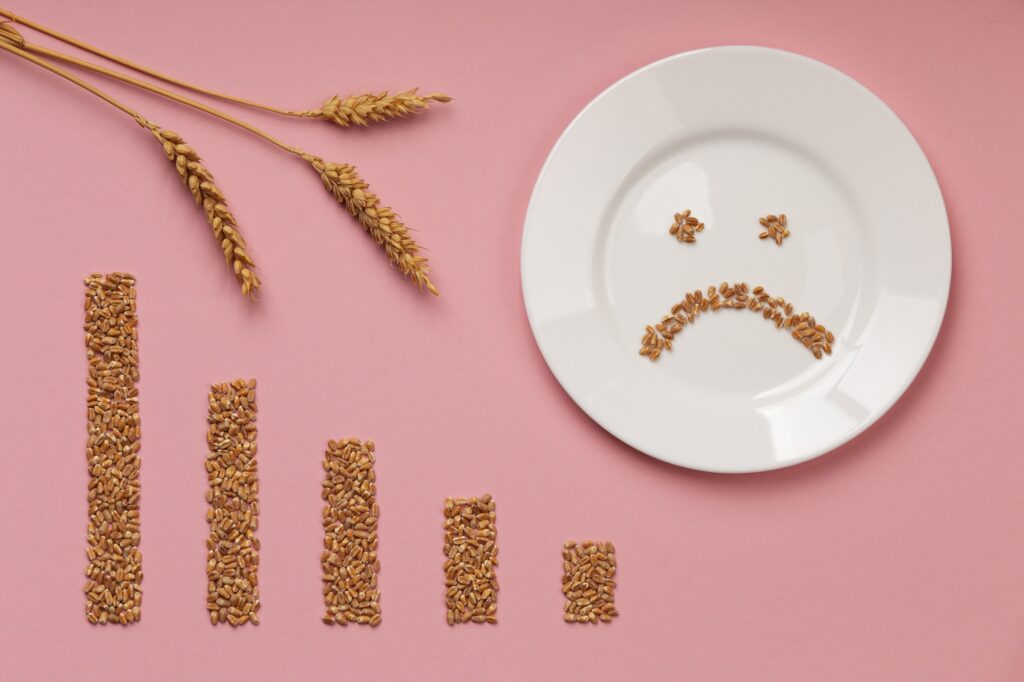
While fiber is essential for digestive health, consuming too much can cause adverse effects. Excessive fiber intake may lead to digestive discomfort such as bloating, gas, and abdominal pain, especially when intake increases too quickly.
High fiber consumption can also interfere with the absorption of important minerals like calcium, iron, and magnesium, which may result in nutrient deficiencies if not properly managed.
Maintaining a balanced fiber intake is important to avoid these problems. Gradually increasing fiber consumption and drinking enough water can help reduce discomfort, allowing you to gain the benefits of fiber without negative effects.
Finding the Right Balance: How to Adjust Your Fiber Intake
Achieving the right balance of fiber in your diet is essential for optimal digestive health. Start by assessing your current fiber intake and identifying areas for improvement. Gradually incorporate more fiber-rich foods into your meals, allowing your body to adjust over time.
Pay attention to your body’s signals and make adjustments as needed. If you experience digestive discomfort, consider reducing your fiber intake slightly and increasing your water consumption. Staying hydrated is essential when consuming more fiber, as it helps the fiber move through your digestive system smoothly.
Keep a food diary to track your fiber intake and monitor any changes in your digestive health. This can help you identify patterns and make informed decisions about your diet. By finding the right balance, you can enjoy the benefits of fiber without experiencing discomfort.
High-Fiber Foods to Include in Your Diet
Incorporating a variety of high-fiber foods into your diet is key to meeting your daily fiber needs. Here are some excellent sources of fiber to consider:
- Fruits and Vegetables: Apples, pears, berries, broccoli, and carrots are rich in fiber and provide essential vitamins and minerals.
- Whole Grains: Oats, brown rice, quinoa, and whole wheat bread are excellent sources of fiber that can be easily included in your meals.
- Legumes: Beans, lentils, and chickpeas are high in fiber and offer protein, making them a great addition to your diet.
- Nuts and Seeds: Almonds, chia seeds, and flaxseeds are not only high in fiber but also provide healthy fats and other nutrients.
Including a variety of these foods in your diet can help you achieve a balanced fiber intake and support overall health.
Conclusion
Achieving optimal stomach health requires finding the right balance between too little and too much fiber. By understanding the role of fiber in your digestive health and incorporating a variety of fiber-rich foods into your diet, you can support your body’s needs effectively.
Remember to gradually increase your fiber intake and stay hydrated to avoid discomfort. Keeping track of your fiber consumption and listening to your body’s signals can help you make informed decisions about your diet. By doing so, you can enjoy the benefits of fiber without experiencing adverse effects.