
Introduction to Dementia and Personality Changes
Dementia is a complex condition affecting millions worldwide, leading to a decline in cognitive function, memory loss, impaired reasoning, and significant personality changes. Understanding these transformations is crucial for providing compassionate and effective care.
Personality changes in dementia patients can be challenging. These may appear as increased irritability, apathy, or aggression, making it difficult for family members and caregivers to cope. Recognizing these signs early can help manage changes more effectively and foster a supportive environment, especially when other health conditions like diabetes are also present and may influence behavior.
Addressing these personality shifts requires understanding dementia’s impact on the brain. By exploring the science behind these changes, caregivers can better appreciate the challenges faced by those living with dementia and develop strategies to offer meaningful support.
The Science Behind Dementia
Dementia affects the brain, causing a progressive decline in cognitive abilities. Certain brain areas become more vulnerable, which helps explain personality changes in patients.

- Brain Structure Alterations: Dementia leads to the degeneration of neurons, particularly in regions associated with memory, emotion, and behavior. The hippocampus, responsible for forming new memories, is often one of the first areas affected. As the disease progresses, other regions, such as the frontal lobe (involved in decision-making and self-control), may also deteriorate, contributing to personality changes. In some patients, additional symptoms such as weight loss may also emerge due to changes in appetite, metabolism, or overall daily functioning.
- Chemical Imbalance: Neurotransmitters, the chemicals facilitating communication between neurons, are disrupted in dementia. This imbalance can affect mood, behavior, and emotional regulation. For instance, a decrease in serotonin can lead to depression, while changes in dopamine levels might result in apathy or reduced motivation.
- Types of Dementia: Different forms of dementia, such as Alzheimer’s disease, vascular dementia, and frontotemporal dementia, can affect the brain in distinct ways. In some cases, underlying health conditions like insulin resistance may also impact cognitive function and overall disease progression. Each type has unique pathological features, influencing the nature and extent of personality changes. Understanding these differences can guide tailored approaches to care.
Common Personality Changes in Dementia Patients
As dementia progresses, personality changes are common and can be distressing for both patients and their loved ones. Recognizing them is the first step in managing these challenges.
- Increased Irritability and Agitation: Patients may exhibit heightened irritability or agitation, often due to confusion, frustration, or discomfort. These feelings can be triggered by environmental factors or internal discomforts, such as pain or hunger, making it essential to identify and address these underlying causes.
- Apathy and Withdrawal: A common change is the development of apathy, where individuals lose interest in activities they once enjoyed. This withdrawal can be mistaken for depression, but it is often a result of cognitive decline affecting motivation and engagement.
- Emotional Instability: Emotional responses may become unpredictable, with patients experiencing rapid mood swings or heightened emotional sensitivity. Understanding these shifts as a symptom of the disease rather than intentional behavior is crucial for maintaining empathy and patience.
Factors Influencing Personality Changes
Several factors influence the degree and nature of personality changes in dementia patients. Understanding these factors helps caregivers and family members manage these transformations effectively.

- Stage of Dementia: The stage of dementia plays a significant role in personality changes. Early-stage patients may retain more of their personality traits, while those in advanced stages may exhibit more pronounced changes. Recognizing the stage can guide appropriate interventions and expectations.
- Environmental Factors: The environment can significantly impact a dementia patient’s behavior. Changes in routine, unfamiliar surroundings, or excessive noise can lead to increased anxiety or agitation. Creating a stable and familiar environment can help mitigate these effects.
- Physical Health: Physical health conditions, such as pain or infections, can exacerbate personality changes. Regular medical check-ups and addressing health issues promptly can prevent or reduce the impact on behavior and mood.
The Role of Caregivers in Managing Personality Changes
Caregivers play a pivotal role in managing personality changes, providing stability, understanding, and support, which significantly influence the patient’s experience and quality of life.
- Education and Training: Caregivers equipped with knowledge about dementia and its effects on personality can respond more effectively to challenges. Training programs and resources provide valuable insights into managing difficult behaviors and fostering positive interactions.
- Patience and Empathy: Patience is crucial when dealing with personality changes in dementia patients. Empathy allows caregivers to understand the patient’s perspective, creating a more compassionate and supportive environment.
- Adaptive Strategies: Implementing adaptive strategies, such as structured routines and personalized care plans, can help manage personality changes. Tailoring activities and interactions to the patient’s preferences and abilities can promote engagement and reduce frustration.
Effective Communication Strategies with Dementia Patients
Communicating with dementia patients requires patience, understanding, and creativity. Adapting your style can enhance interactions and foster a supportive relationship.
- Simple and Clear Language: Use simple, clear language and short sentences to convey messages. Avoid complex instructions or questions that may confuse the patient. Breaking down information into manageable parts can improve comprehension.
- Non-Verbal Communication: Non-verbal cues, such as facial expressions, gestures, and tone of voice, play a crucial role in communication. Maintaining eye contact and using a calm, reassuring tone can help convey warmth and understanding.
- Active Listening: Listen attentively and validate the patient’s feelings and experiences. Respond with empathy, acknowledging their emotions and providing reassurance. Engaging in active listening fosters trust and strengthens the caregiver-patient relationship.
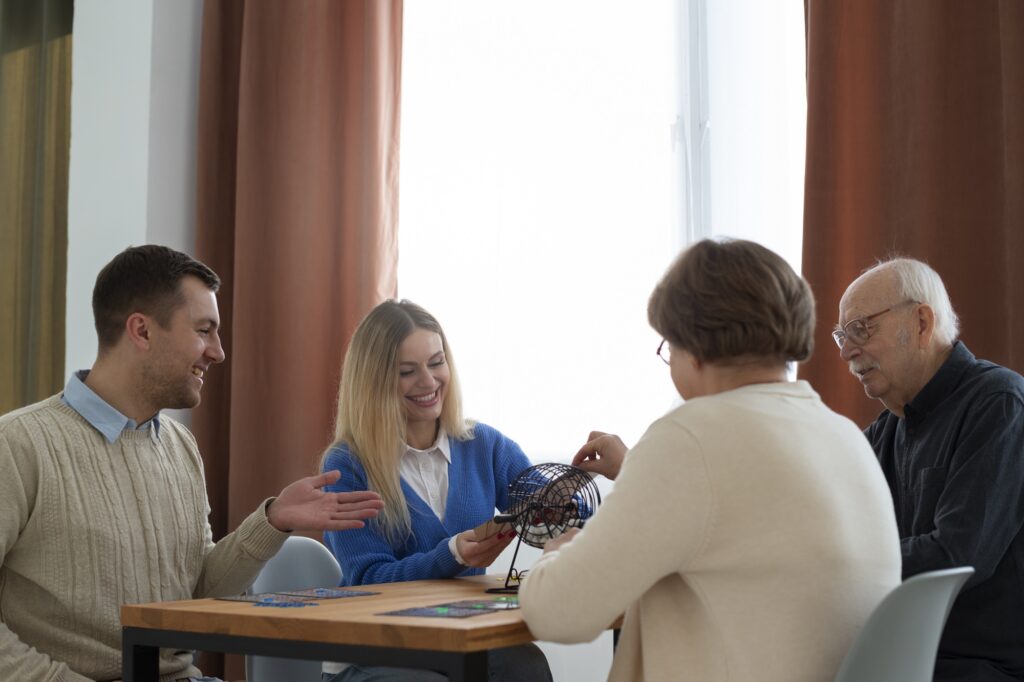
Coping Mechanisms for Families Dealing with Personality Changes
Families of dementia patients face unique challenges due to personality changes. Developing effective coping strategies is essential for emotional well-being and consistent support.
- Support Networks: Building a support network of family, friends, and professionals can provide emotional and practical assistance. Sharing experiences and seeking advice from others in similar situations can offer comfort and guidance.
- Self-Care: Prioritizing self-care is crucial for family members. Taking breaks, engaging in hobbies, and seeking respite care can prevent burnout and maintain mental and physical health.
- Professional Guidance: Seeking guidance from healthcare professionals, such as counselors or support groups, can provide valuable insights and coping strategies. Professional support can help families navigate the complexities of dementia care with greater confidence.
Conclusion
Navigating personality changes in dementia patients requires understanding, patience, and compassion. By recognizing the reasons behind these transformations and adopting effective strategies, you can provide meaningful support and enhance the quality of life for both patients and their families.